By Christopher Mike, CEO, Art in the Docks
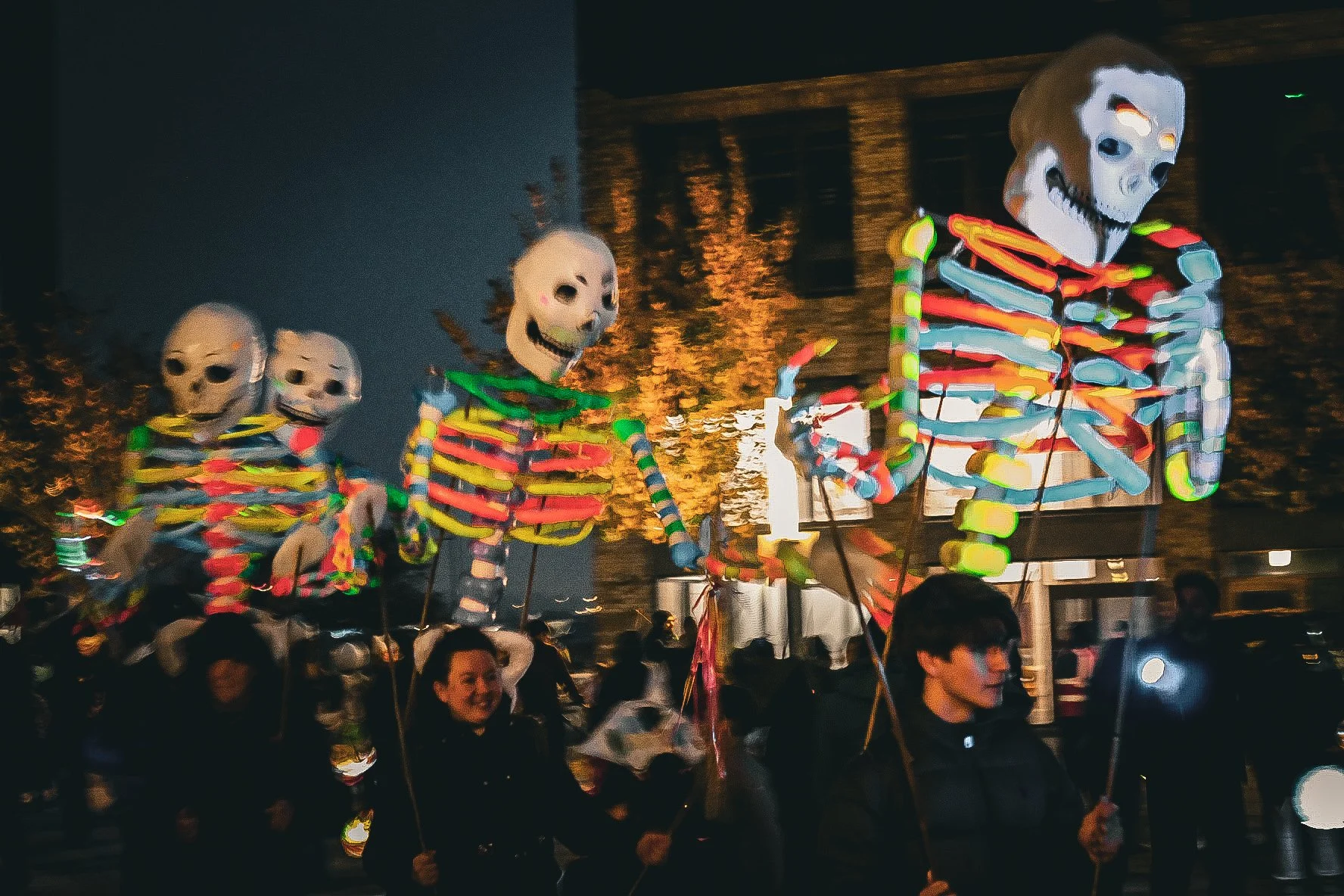
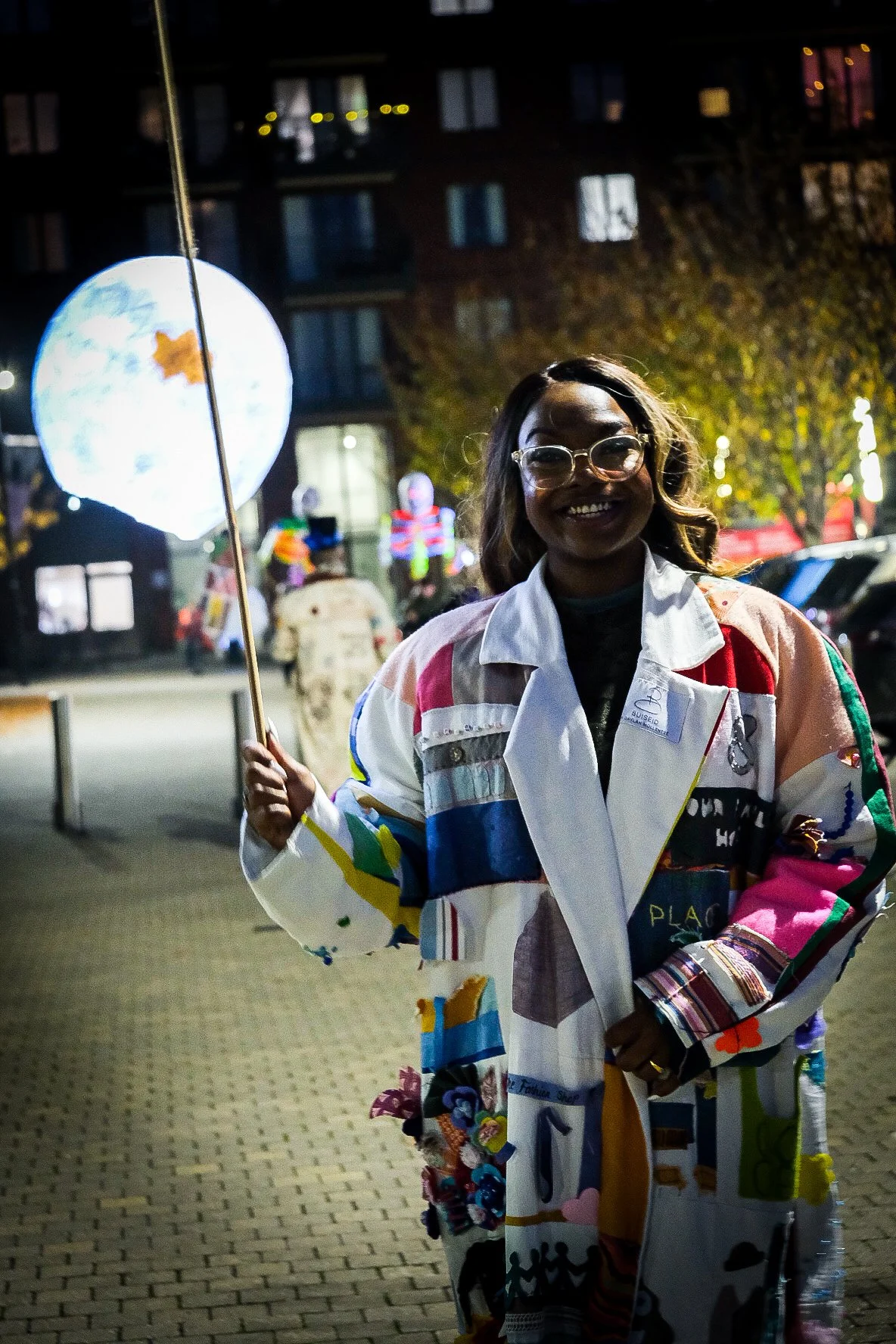
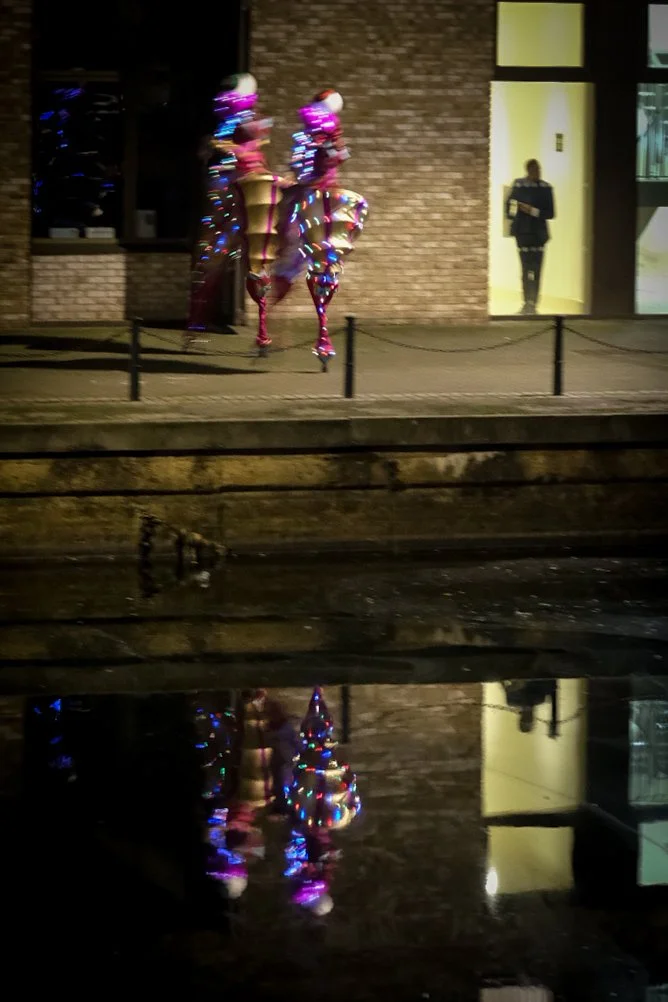
What does it take to bring a community together? At Royal Albert Wharf, it took months of creativity, collaboration and a shared imagination, culminating in an evening of giant puppets, music, dance and illuminated creations.
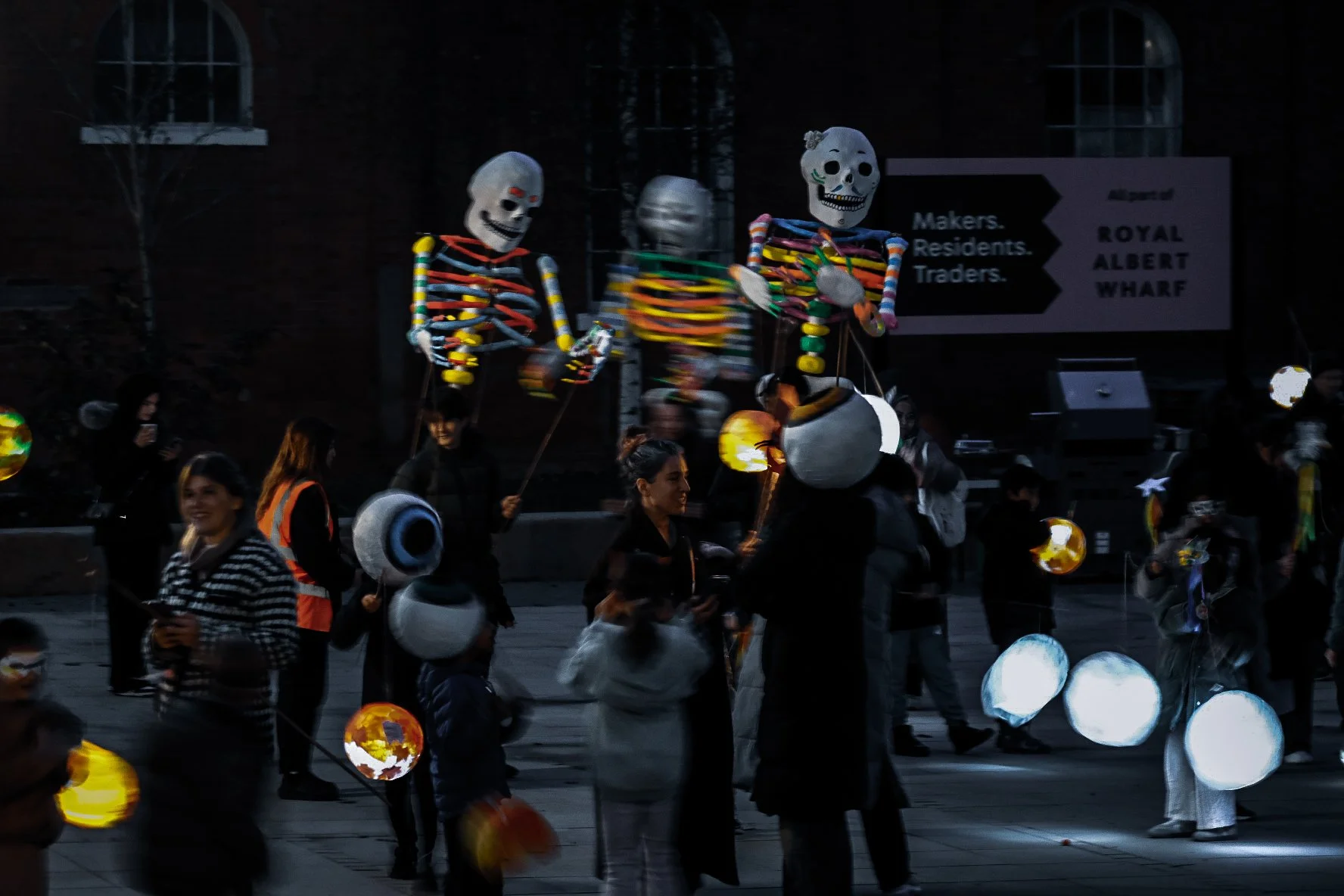
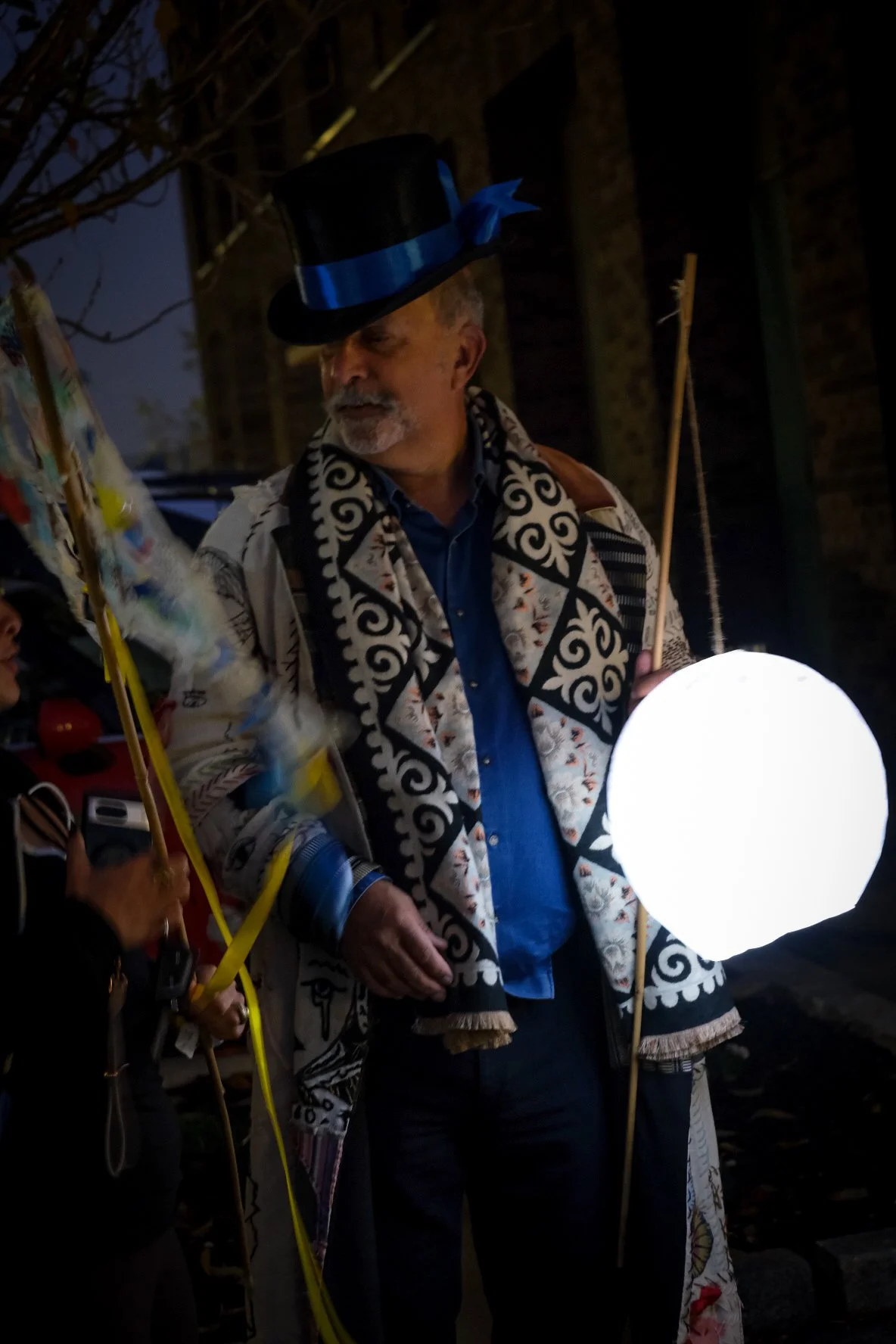
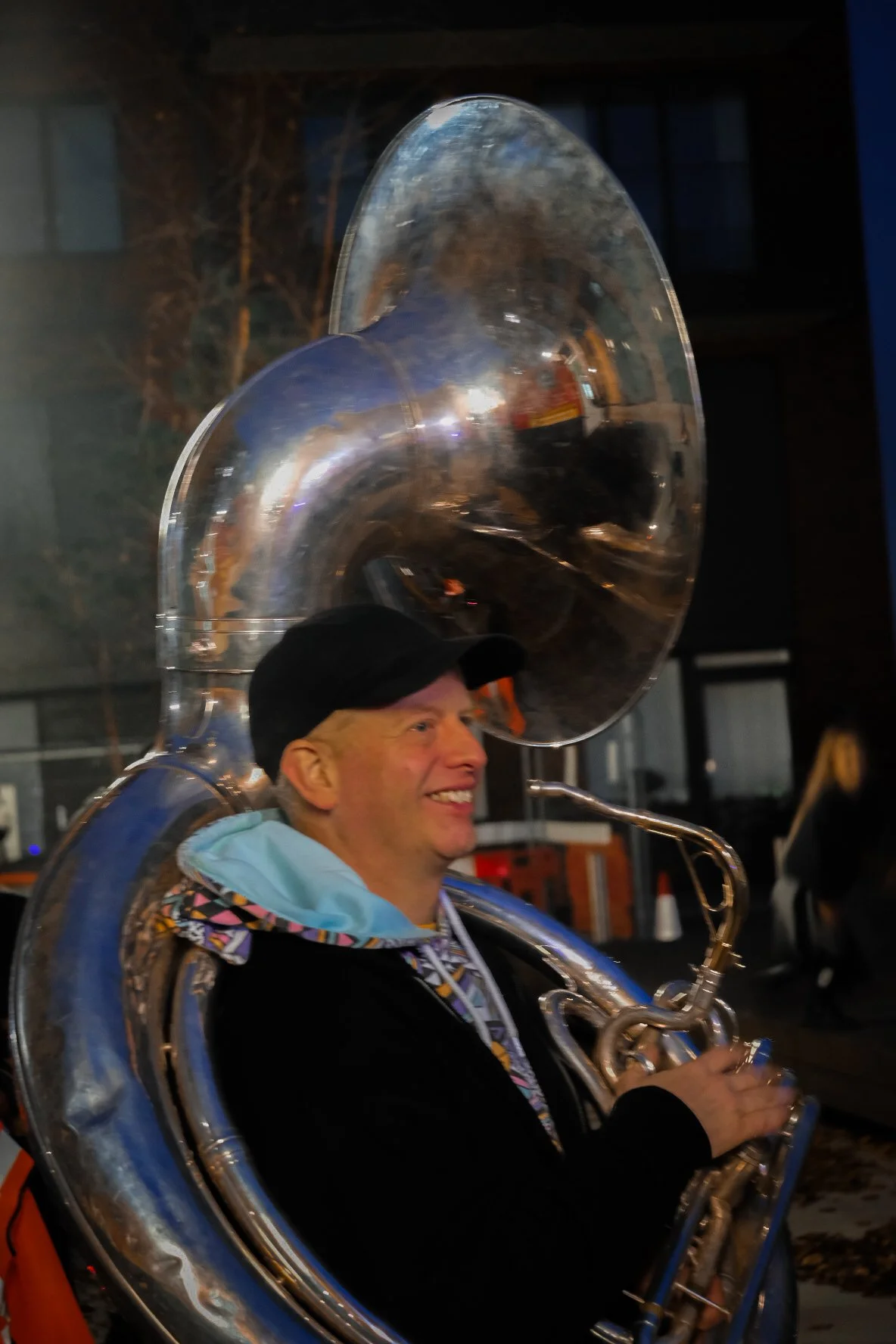
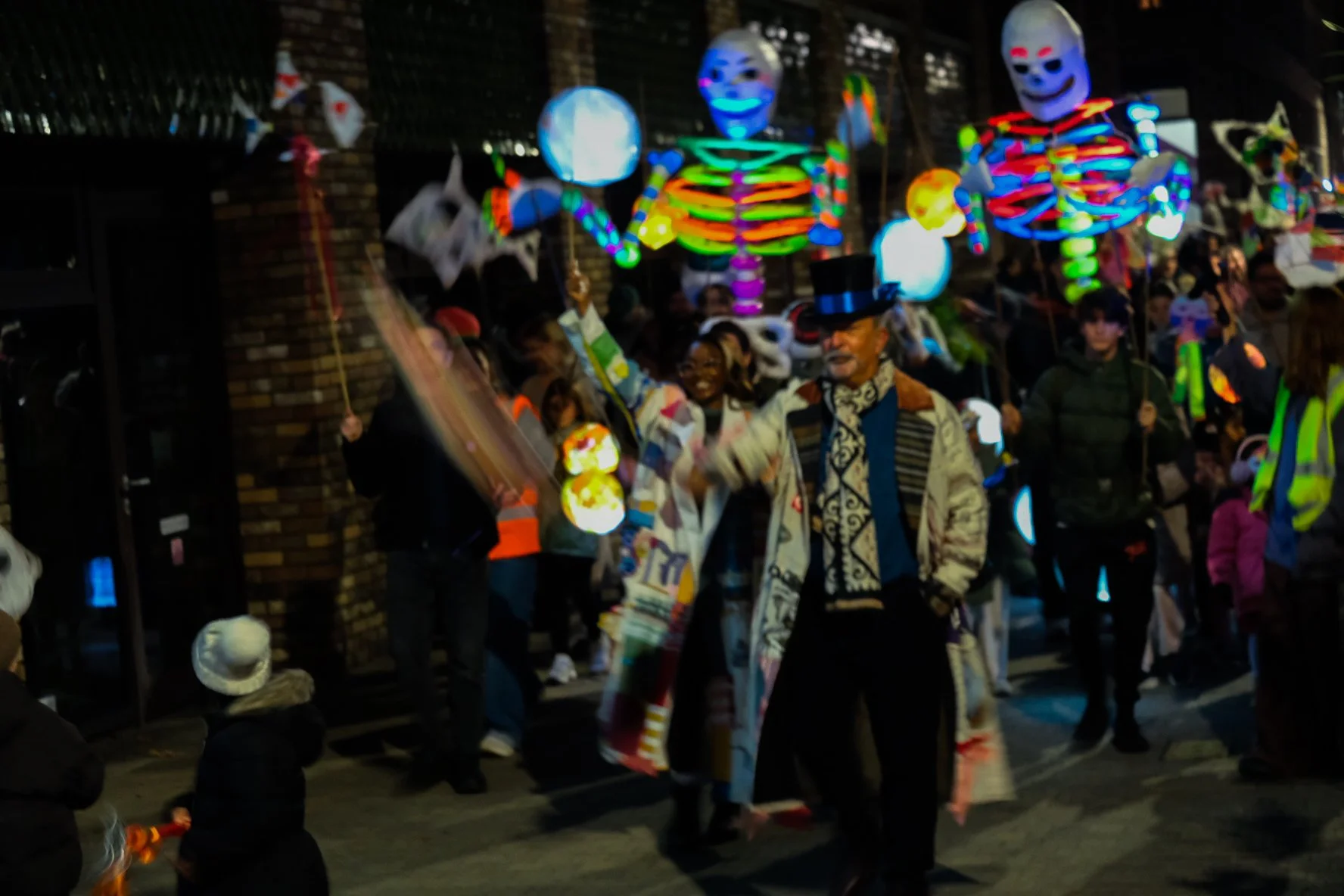
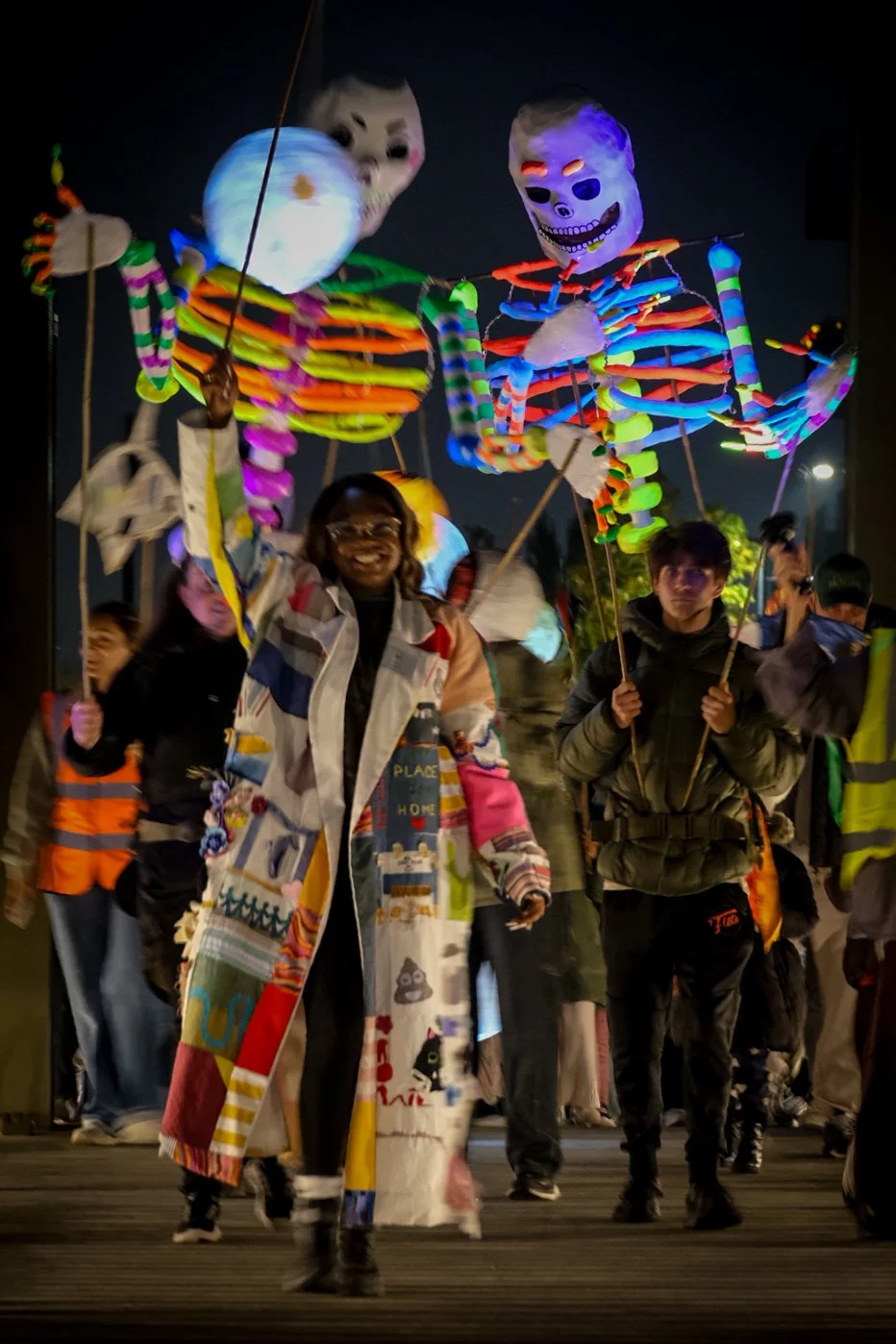
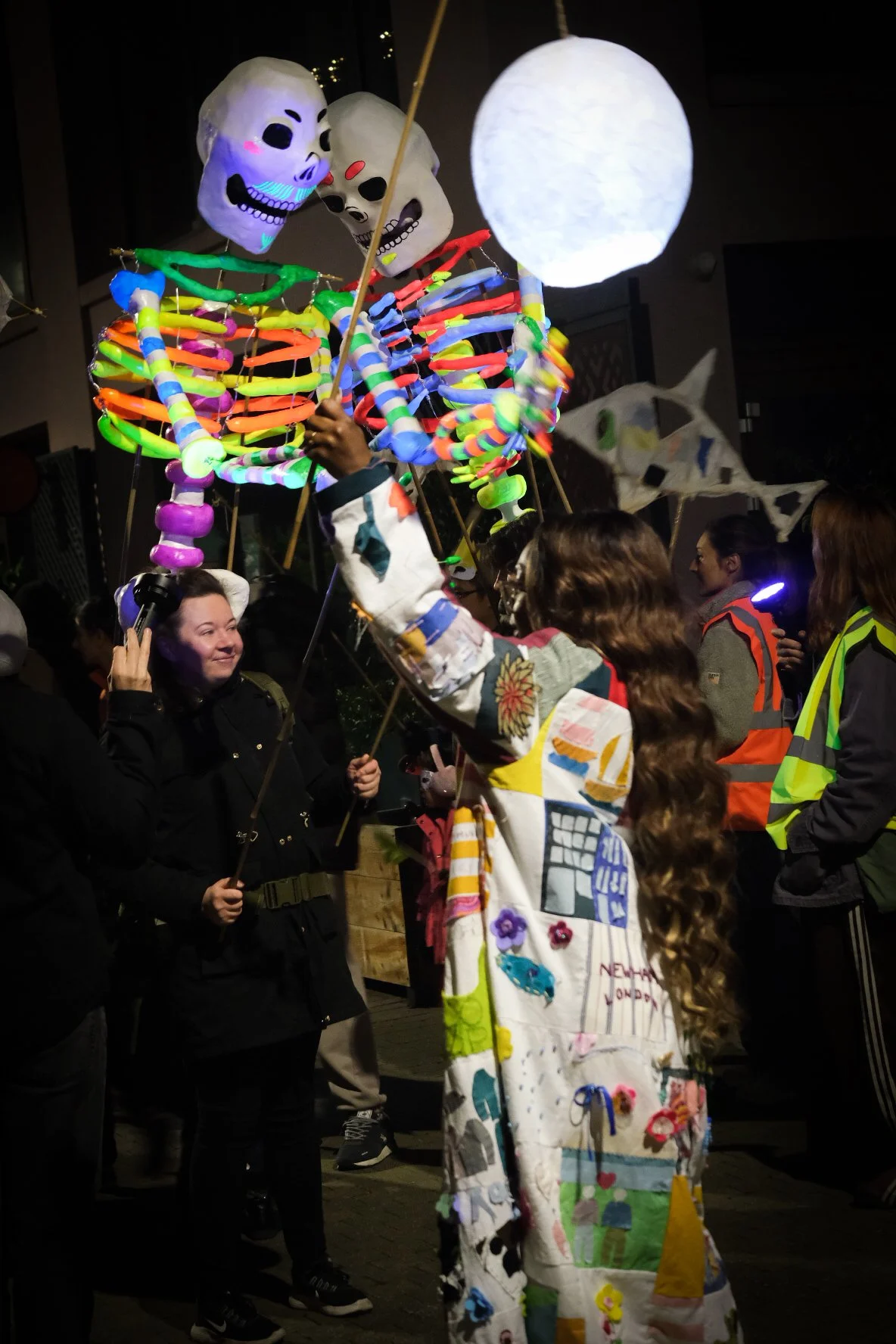
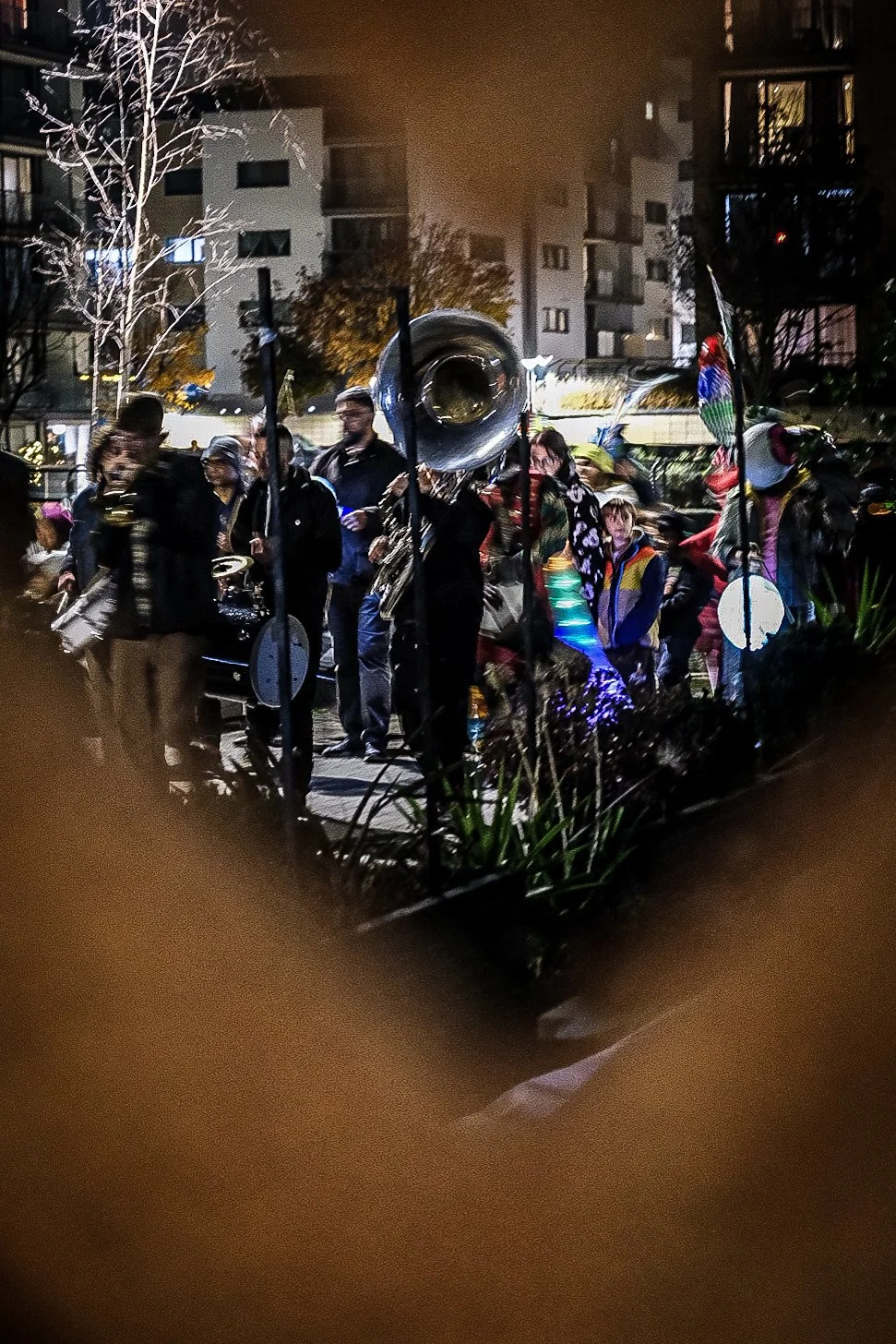
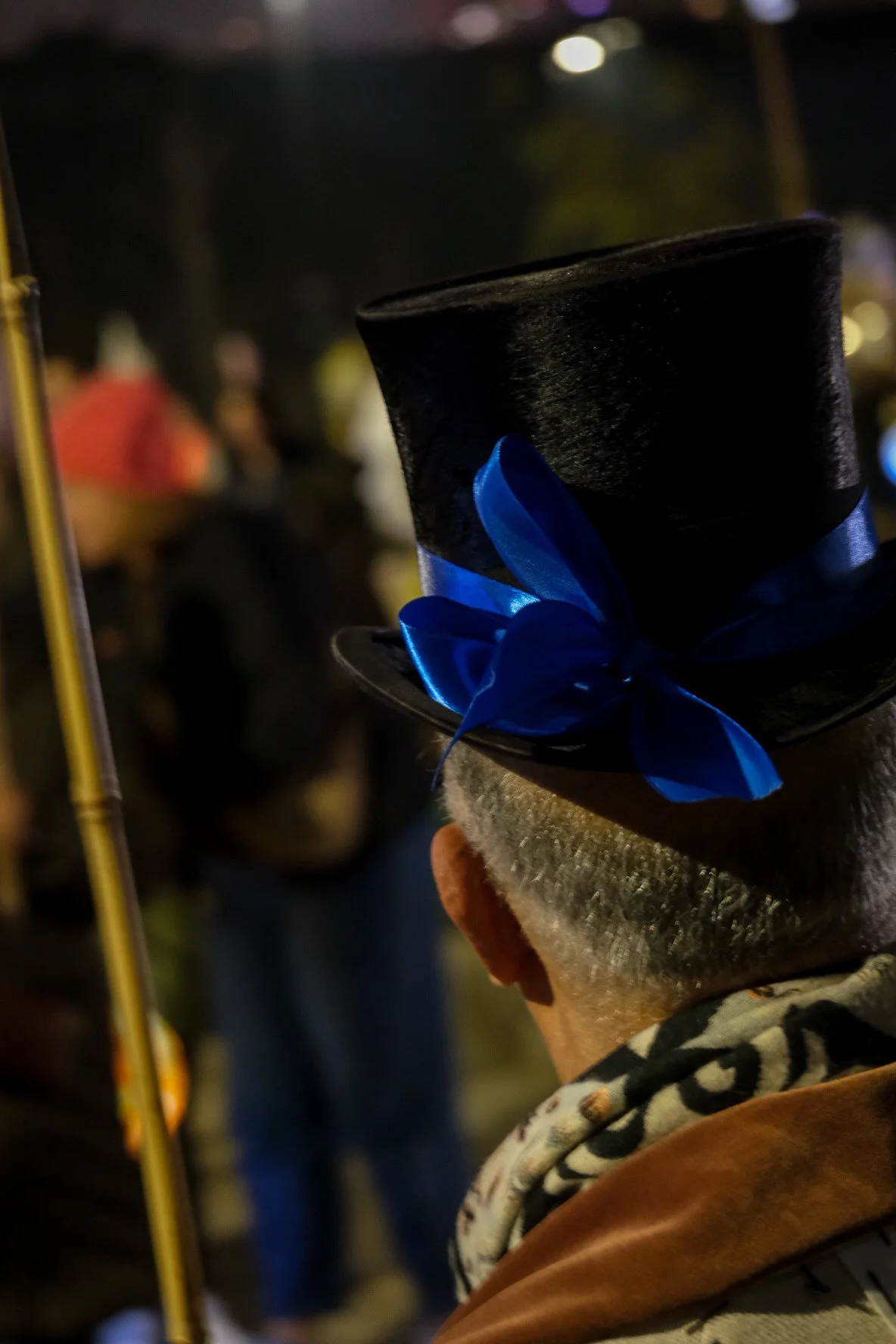
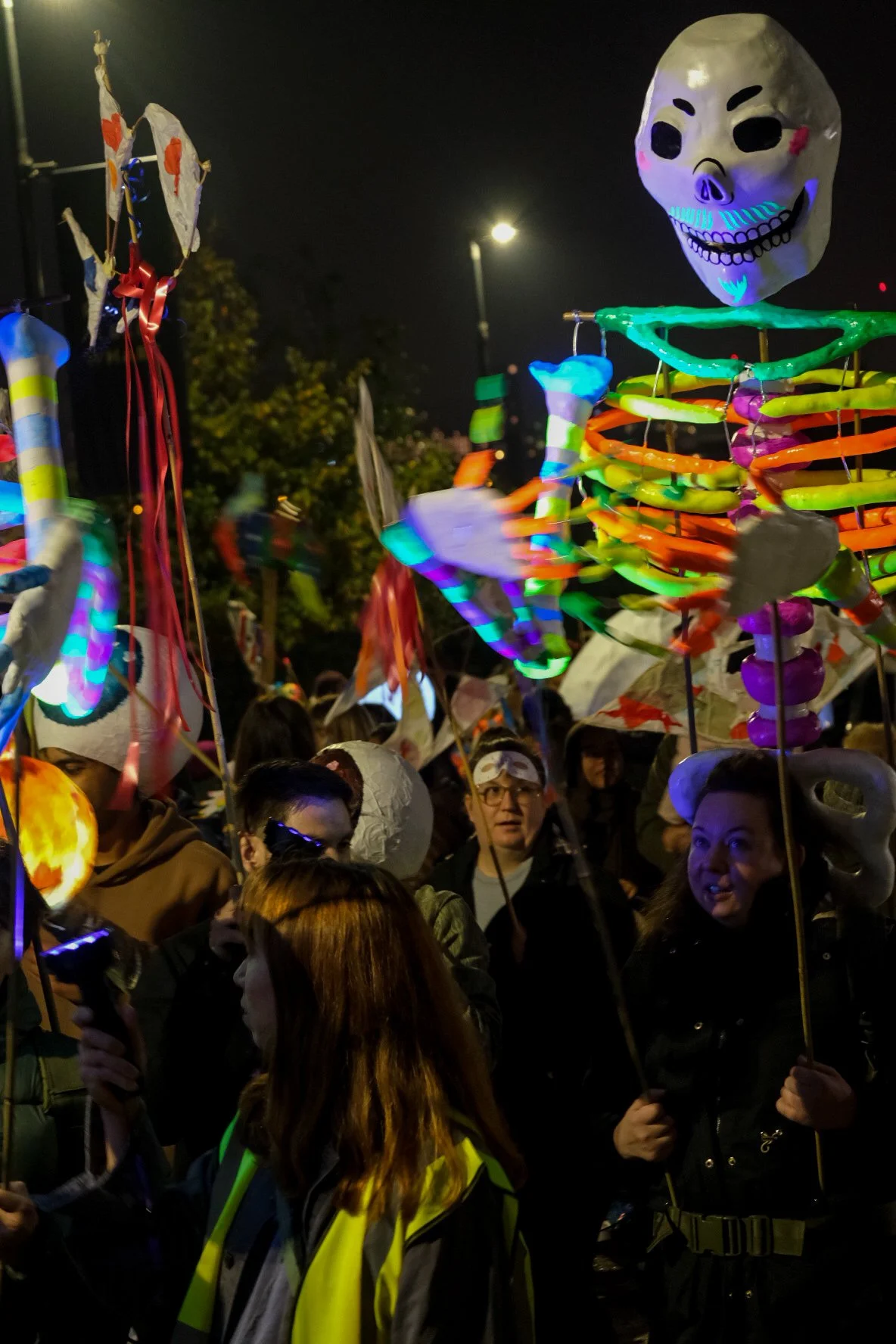
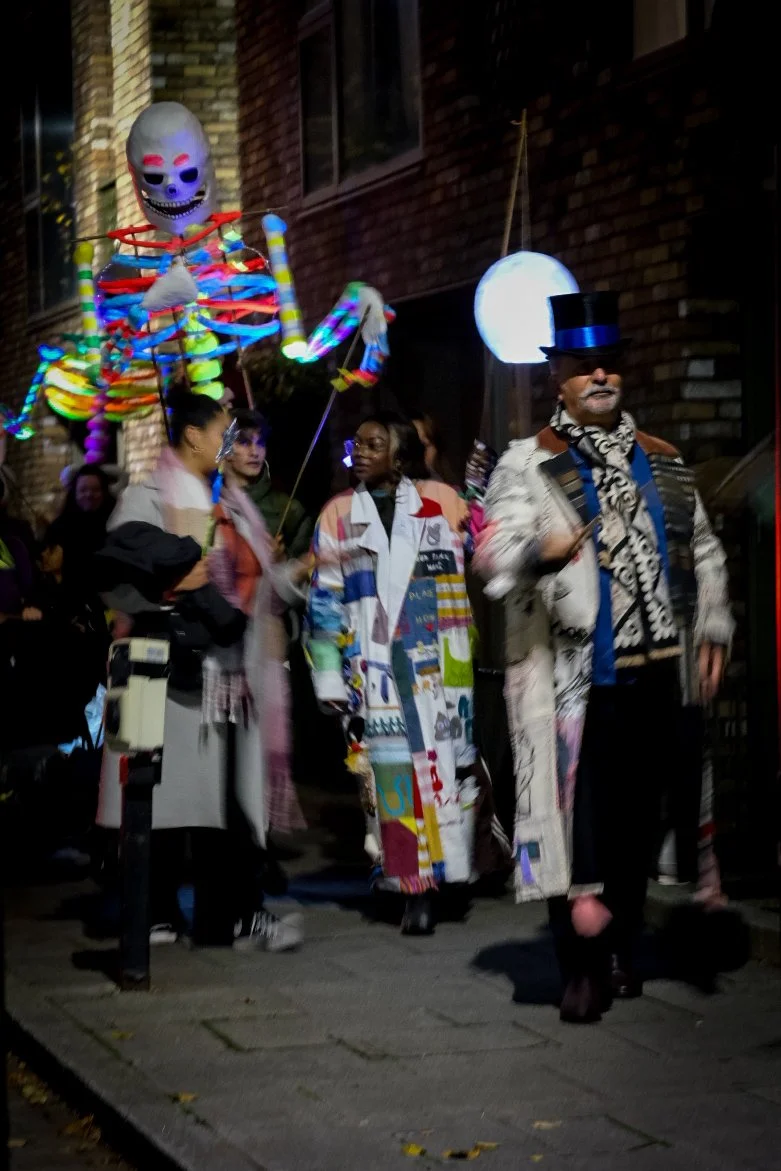
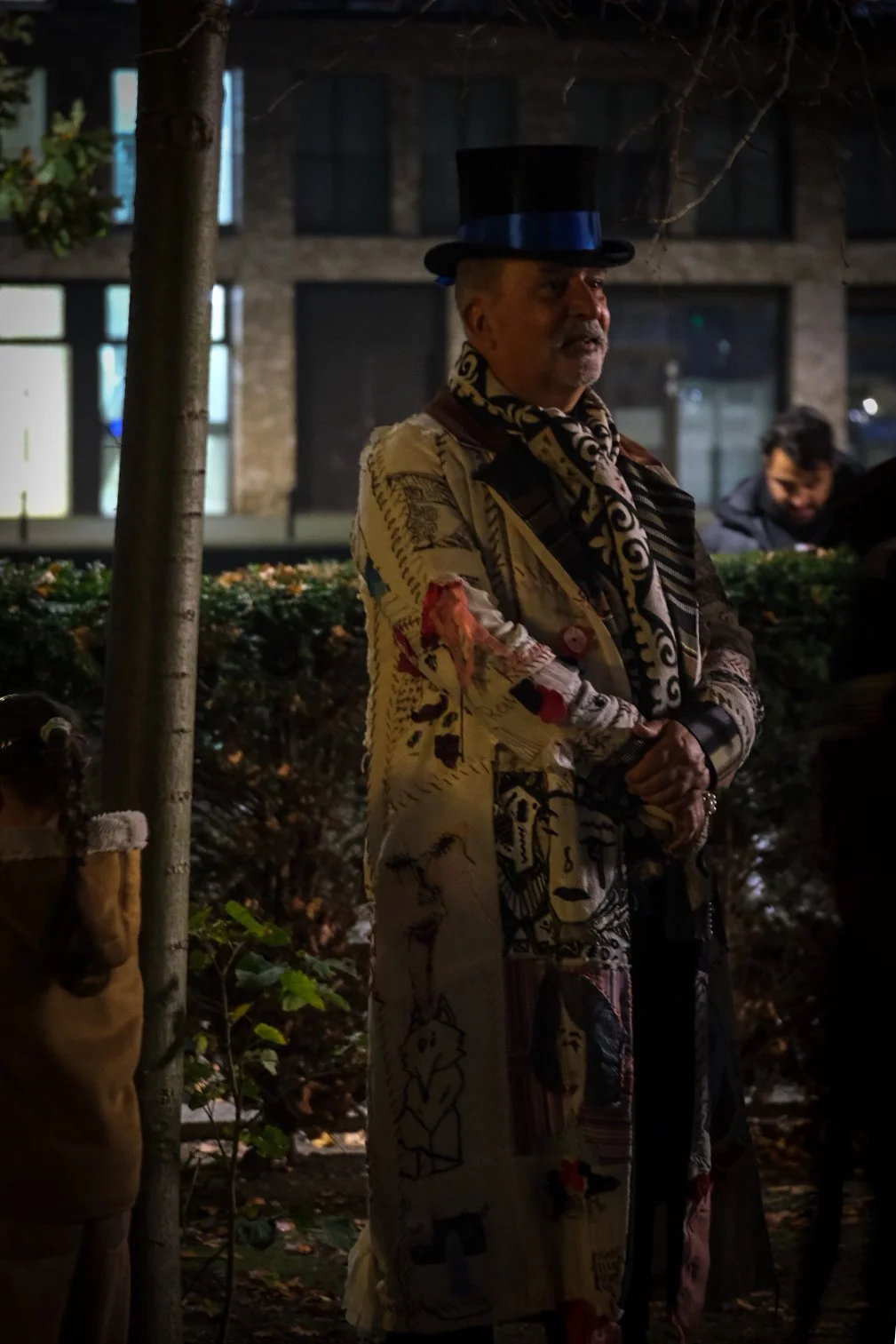
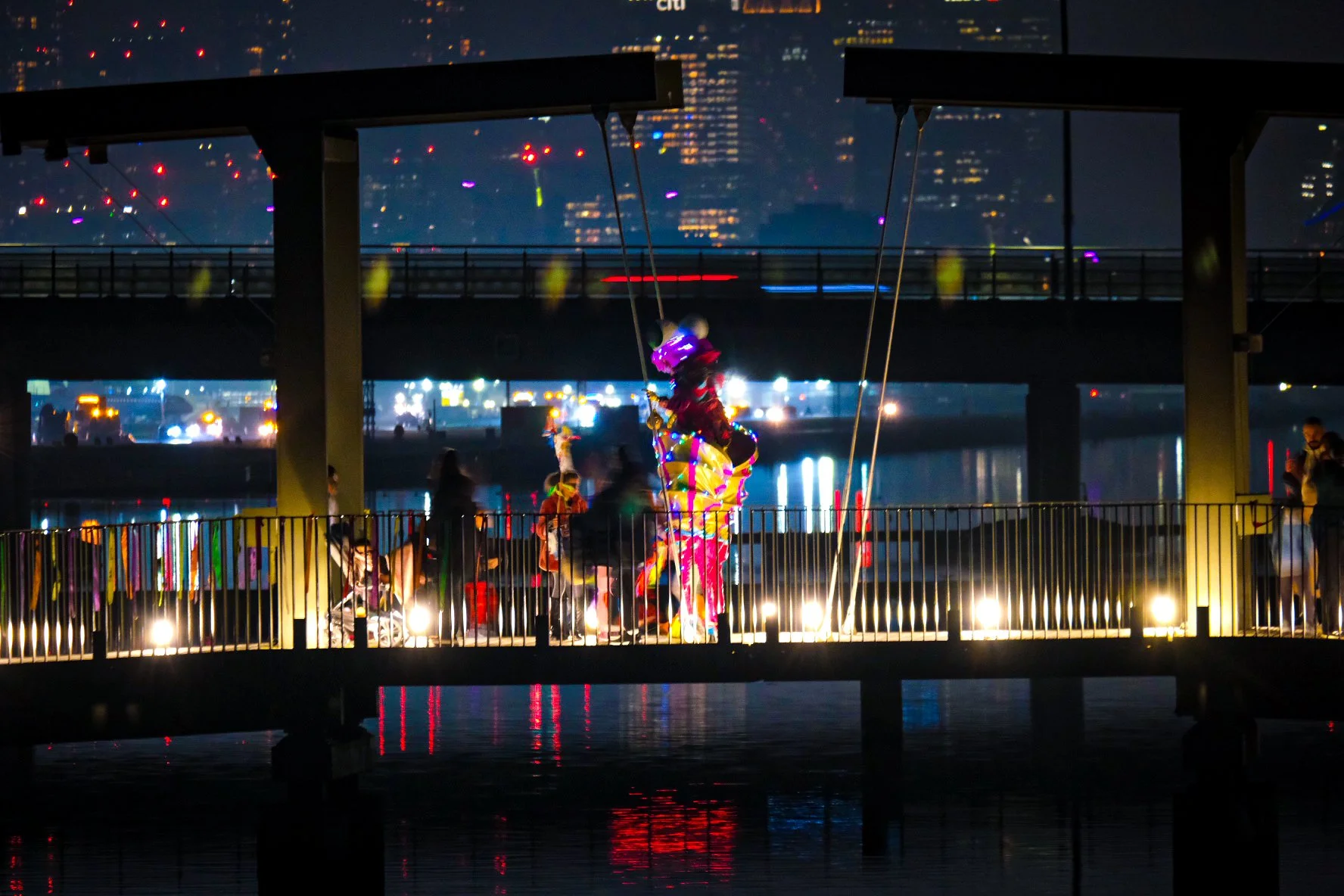
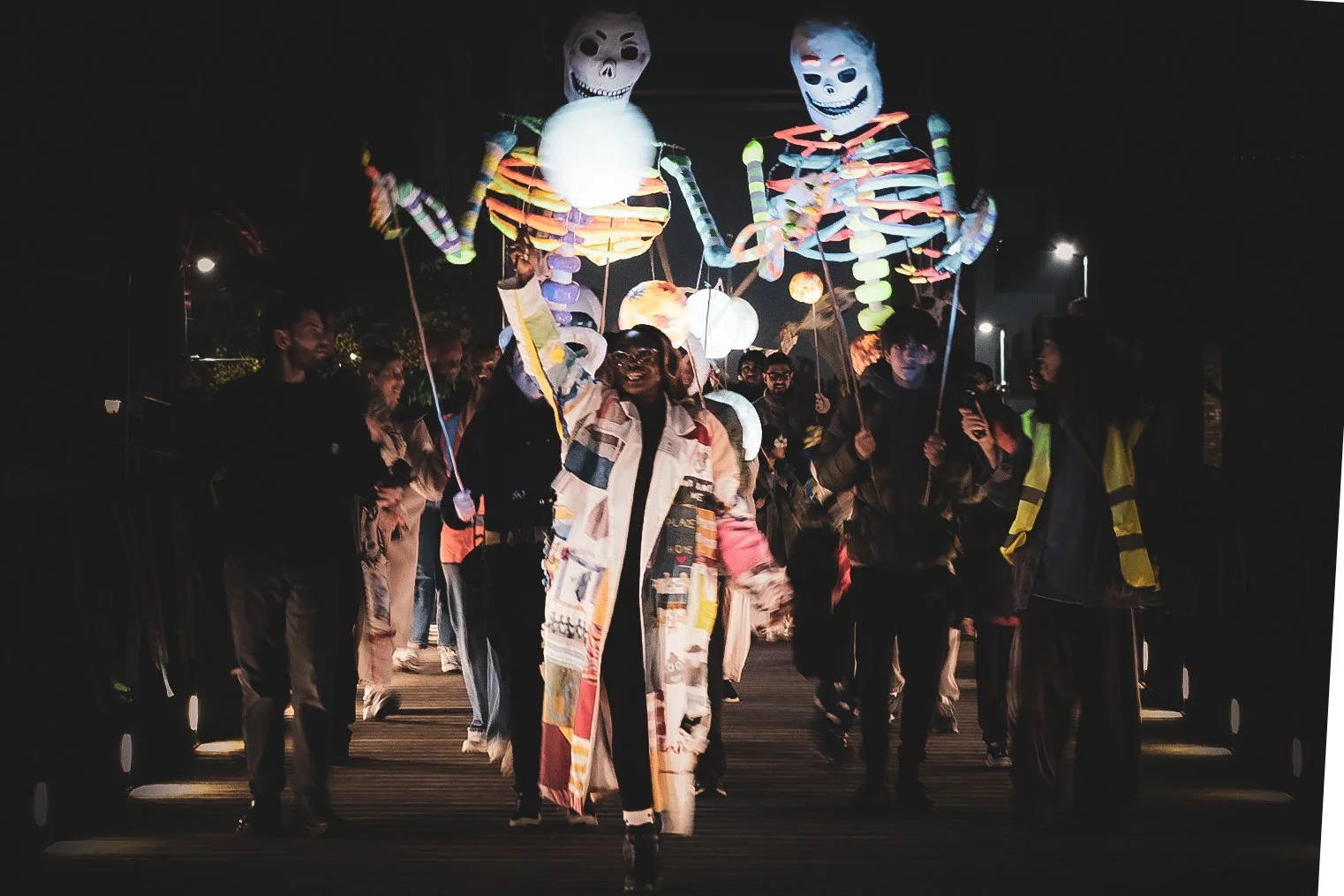
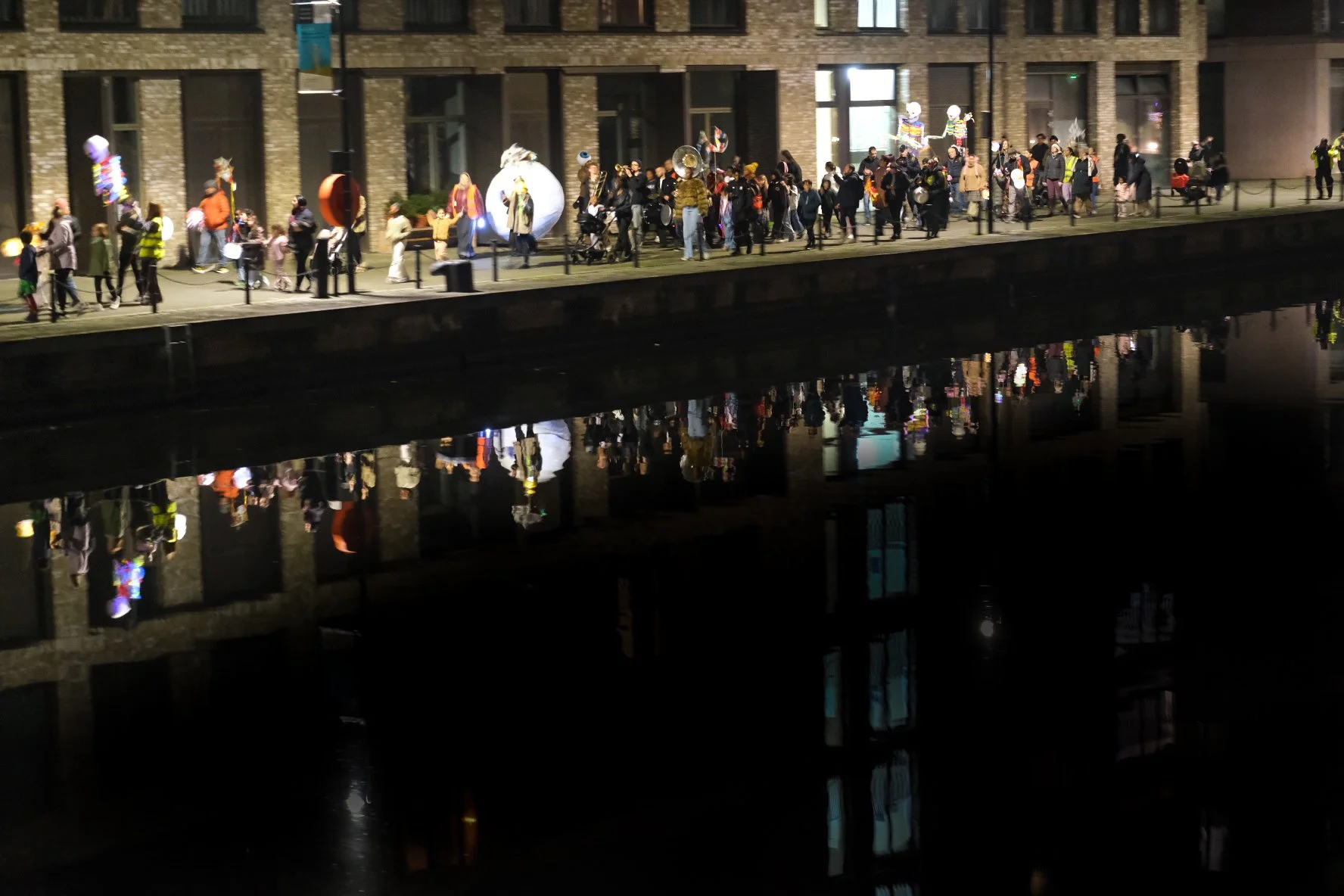
On Saturday 7th November, more than 350 people gathered at Royal Albert Wharf for the Carnival of Curiosities, the latest community parade produced by Art in the Docks. But while the procession brought the streets to life, the real story began long before the first drumbeat.
For several months, children, families, local residents, schools, artists and corporate volunteers had been working together to create the costumes, props and performances that would make the carnival possible. The result was not simply an event to attend, but something the community had helped to make its own.
Making creativity accessible to everyone
At the heart of the Carnival of Curiosities was an invitation to take part.
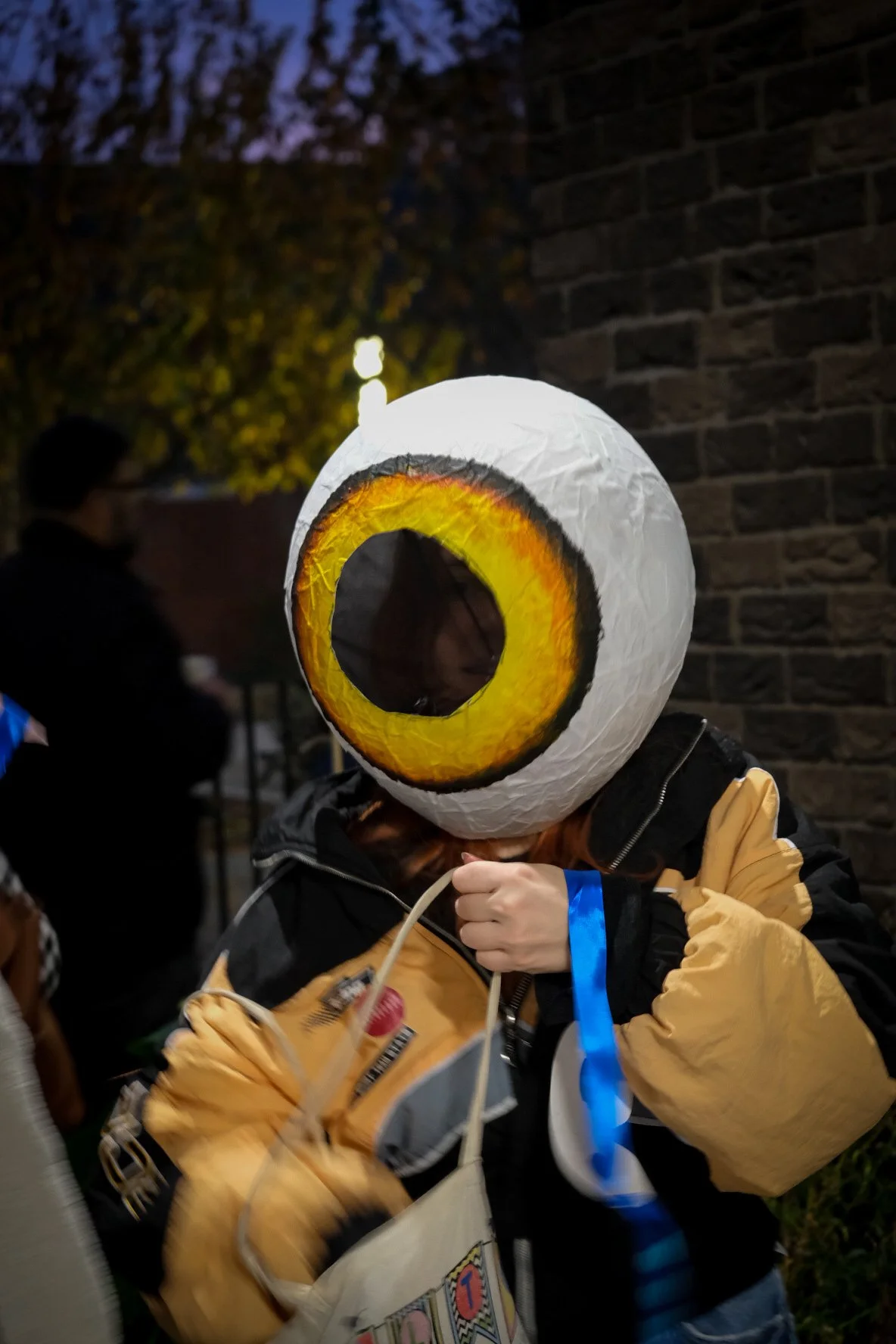
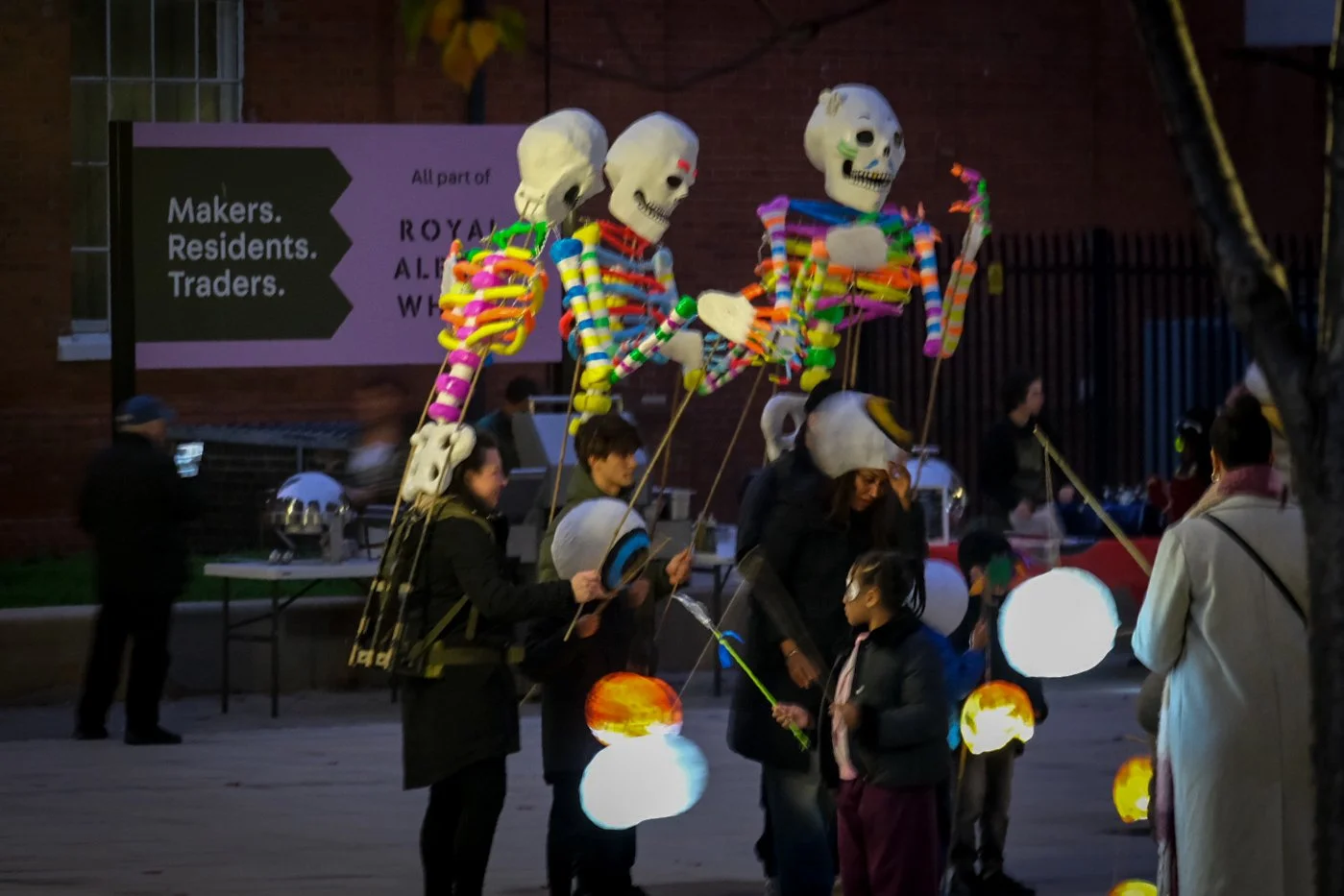
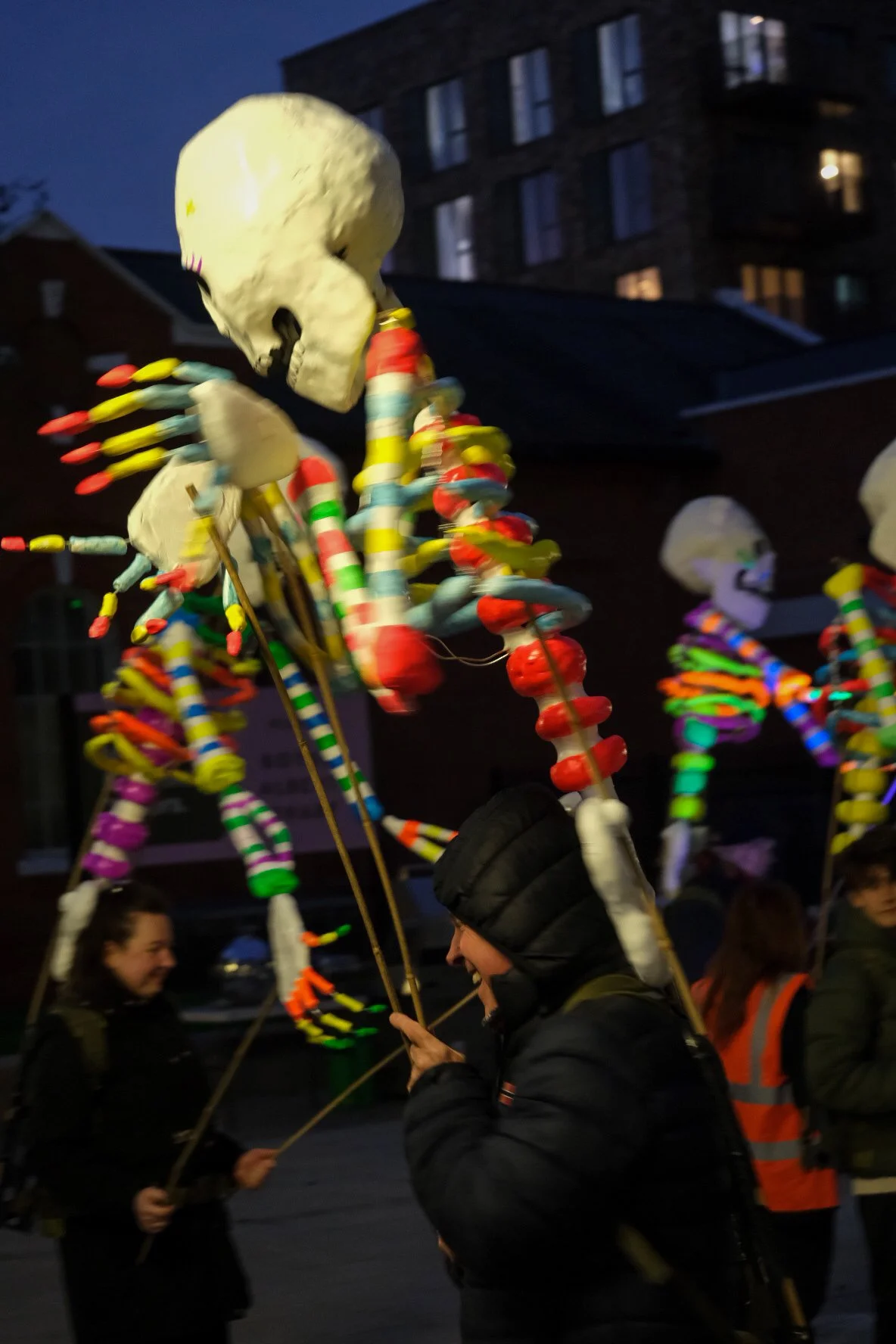
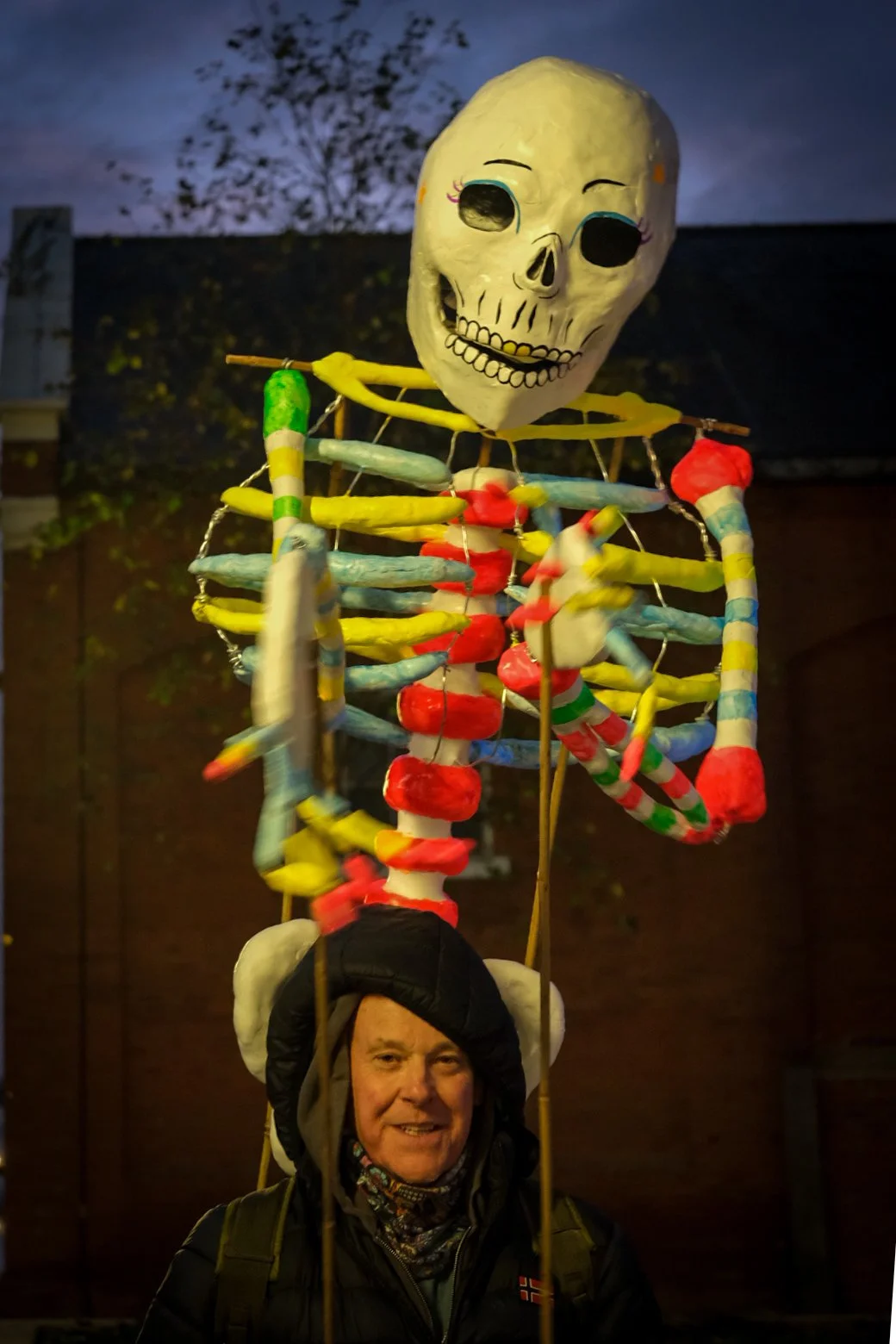
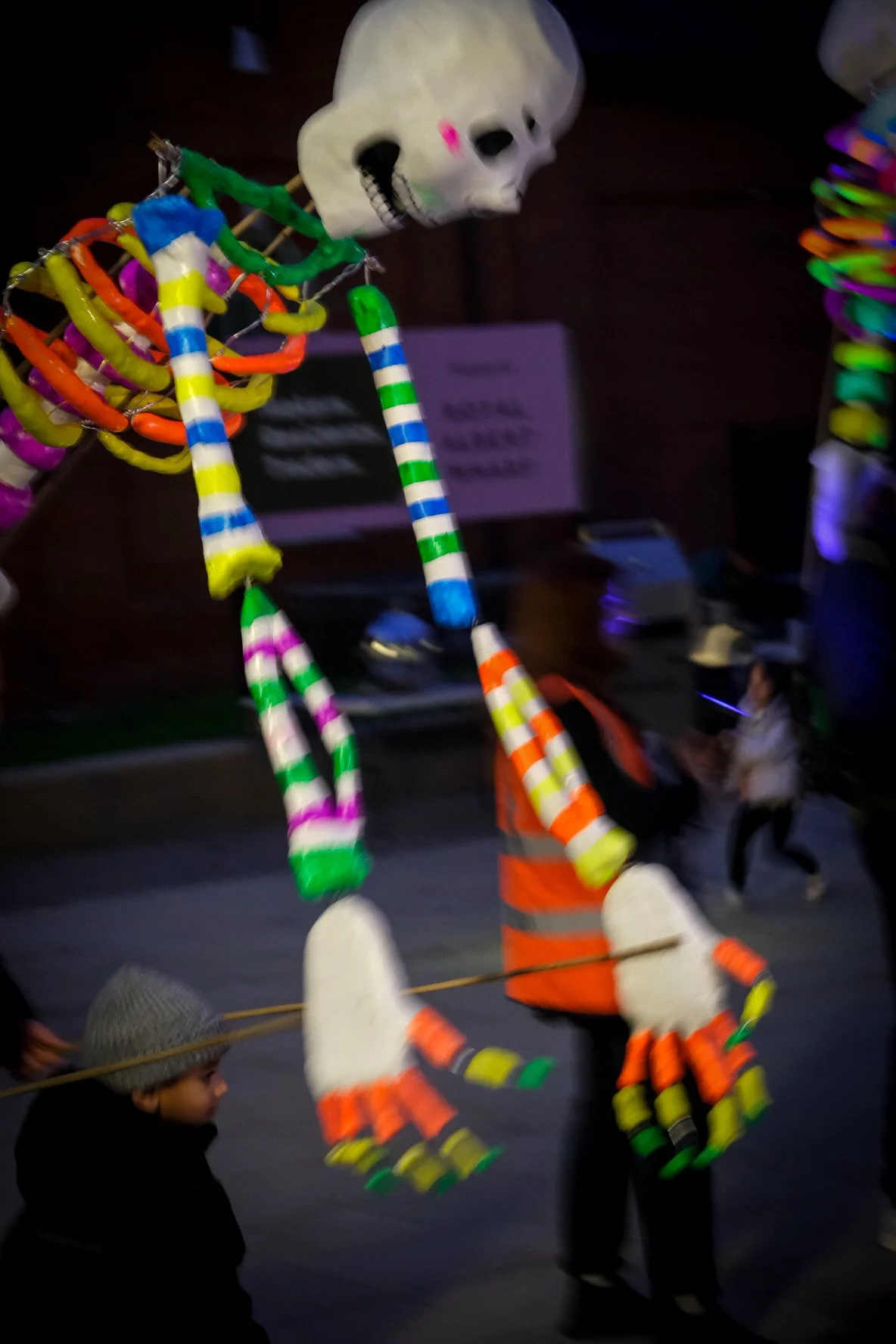
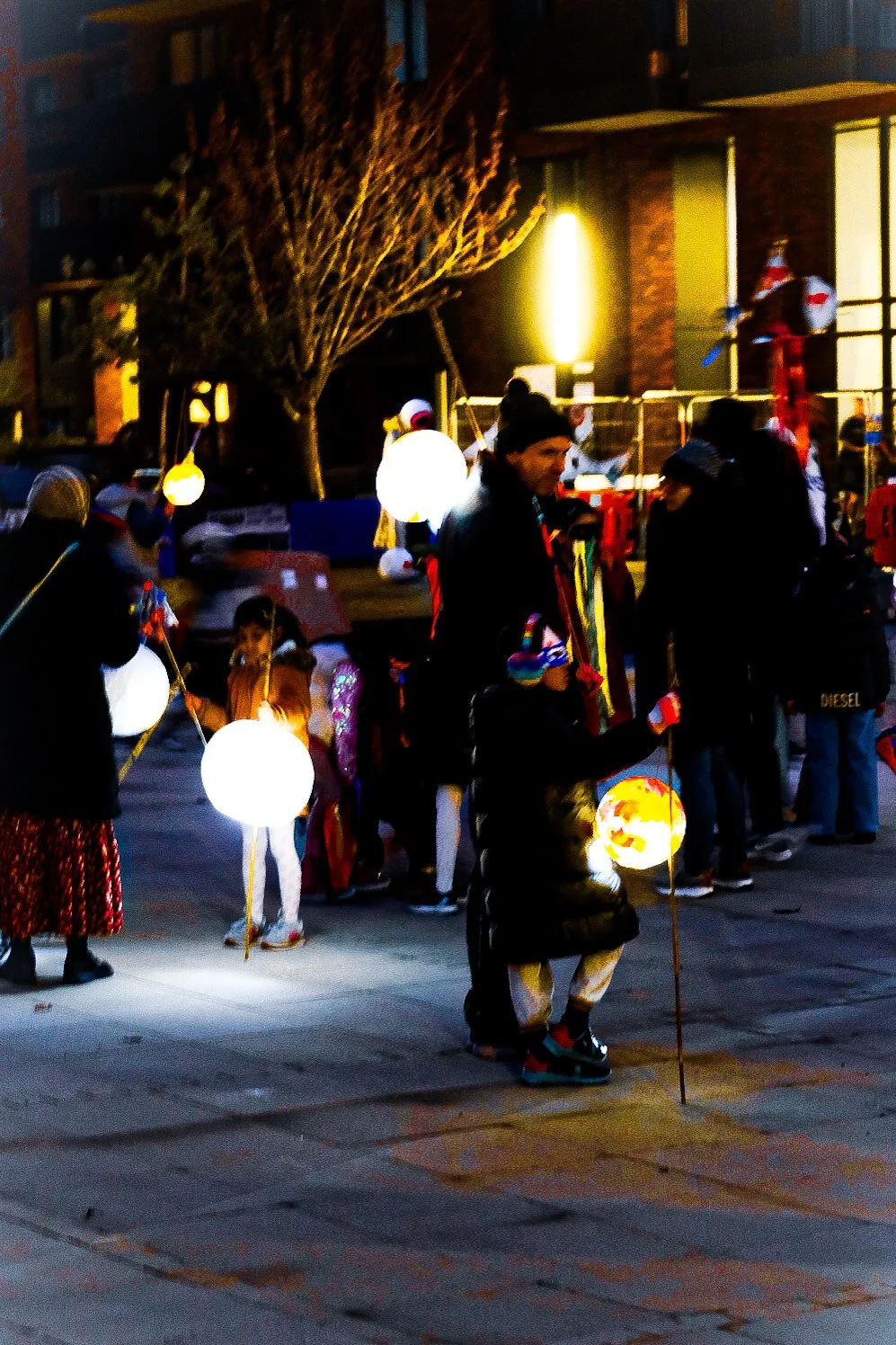
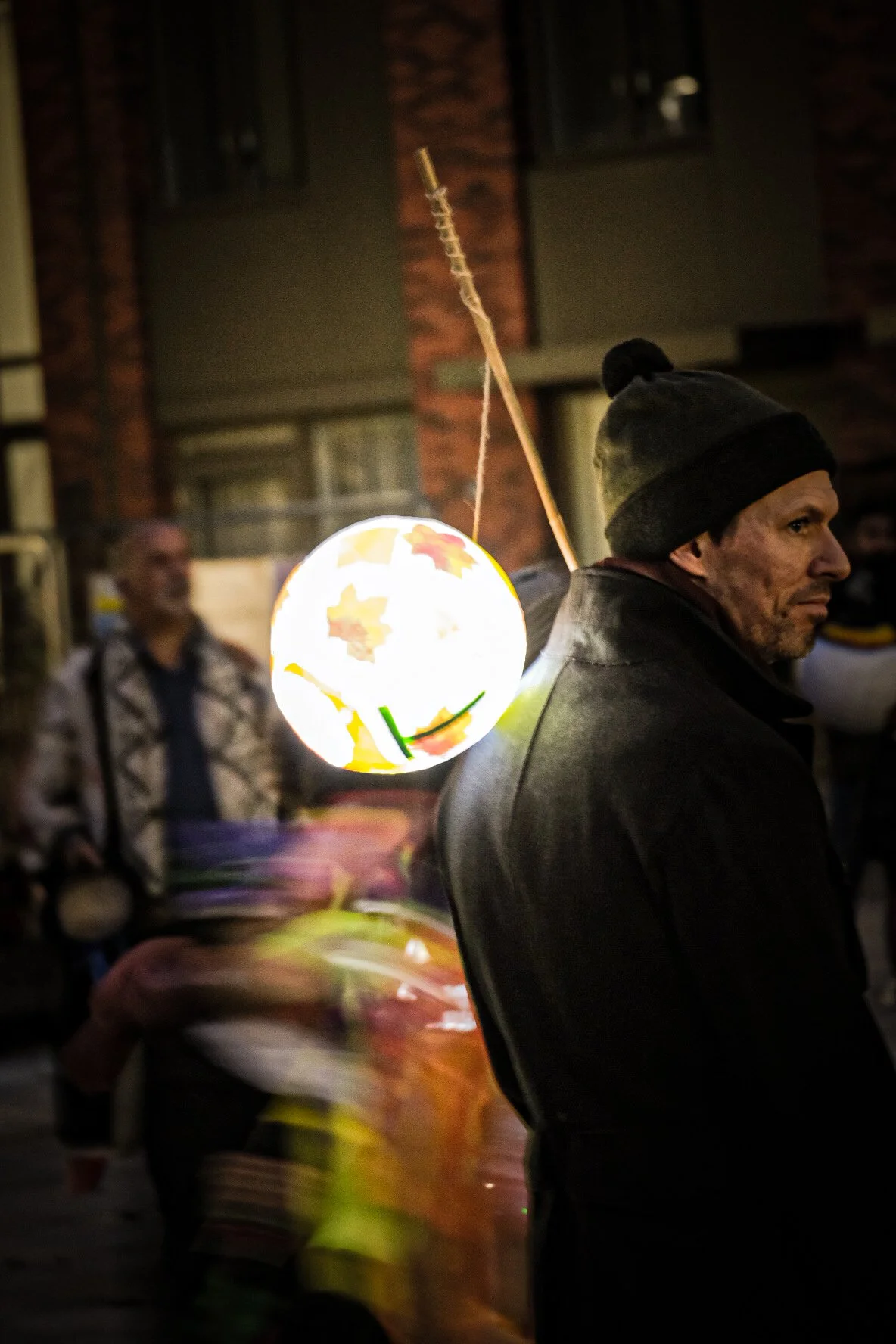
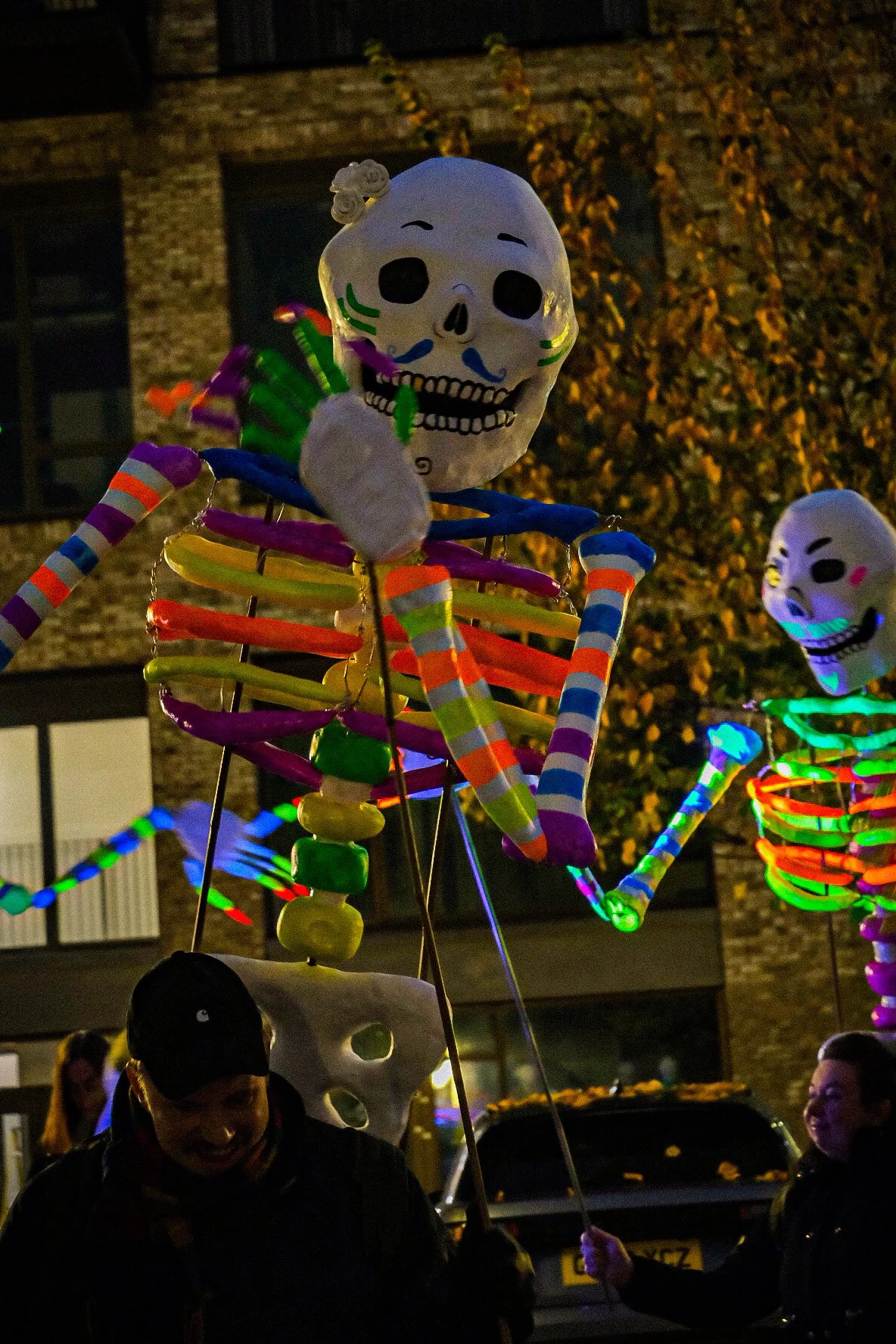
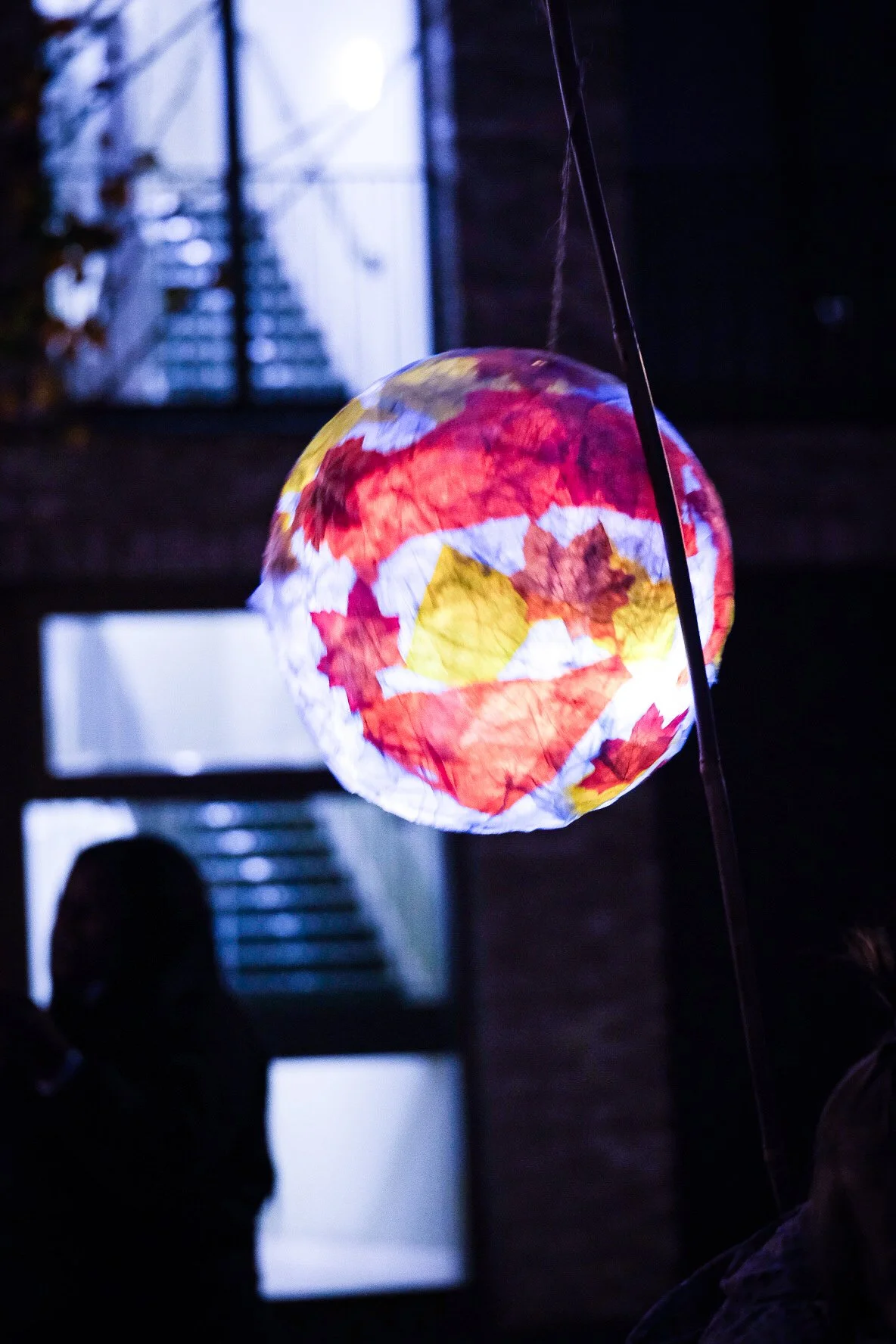
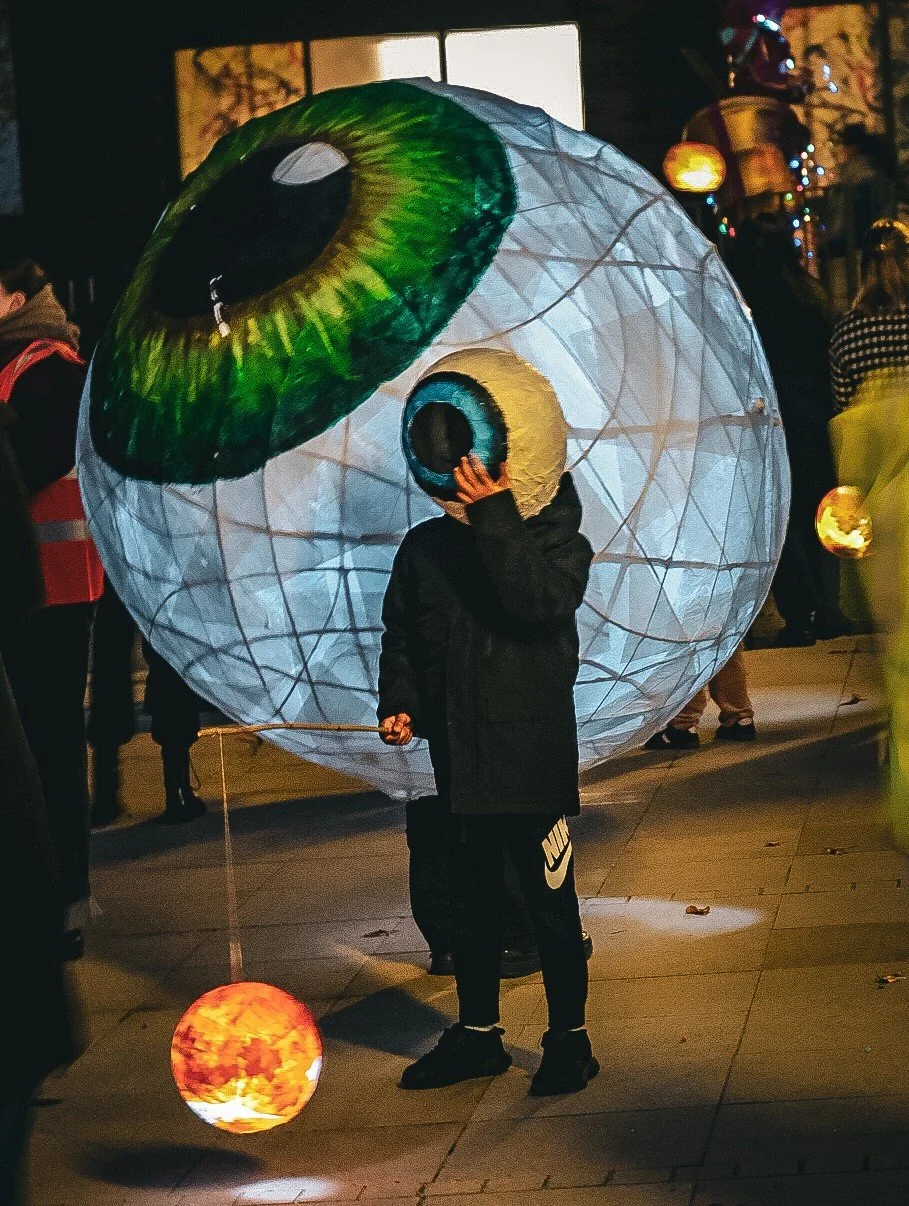
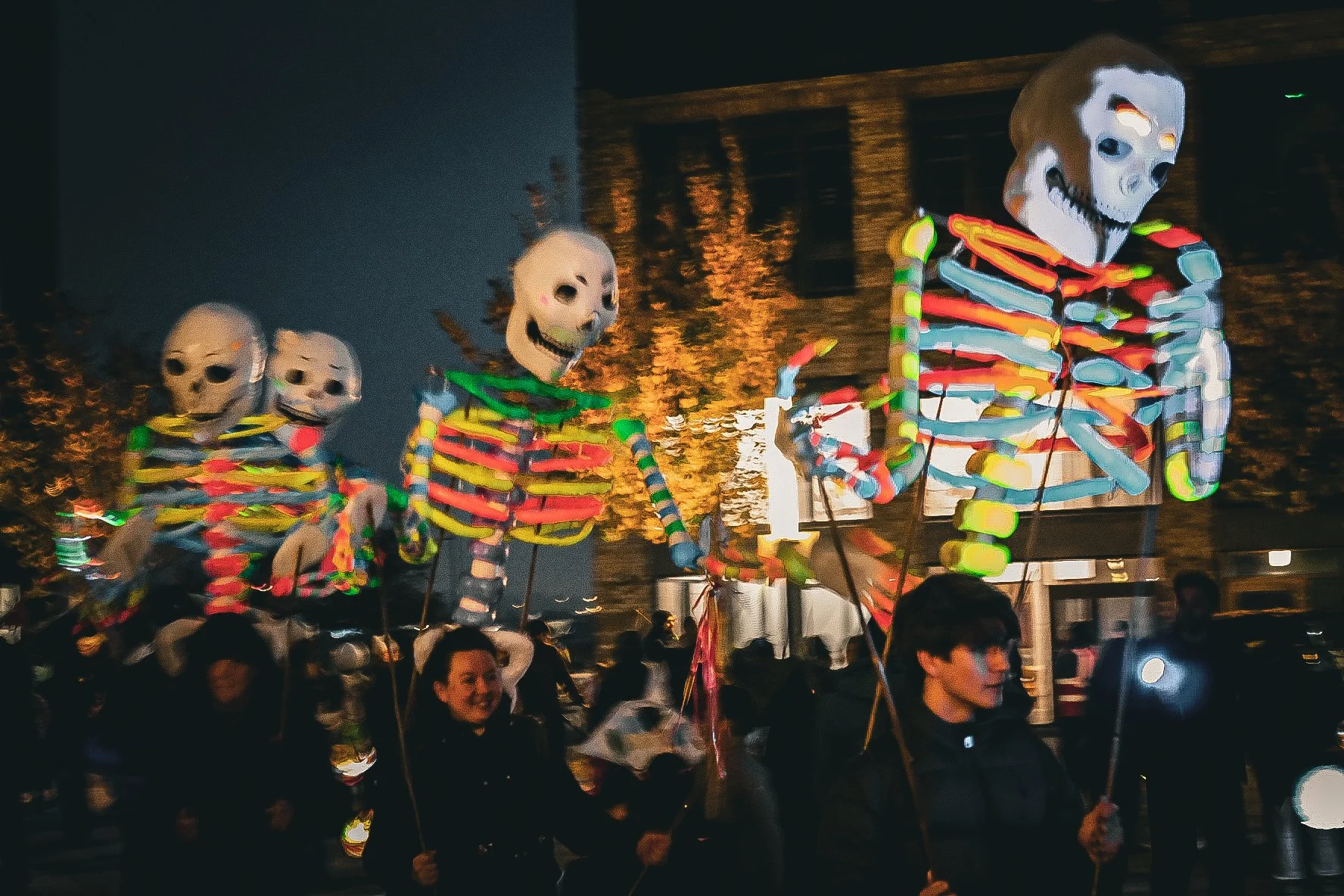
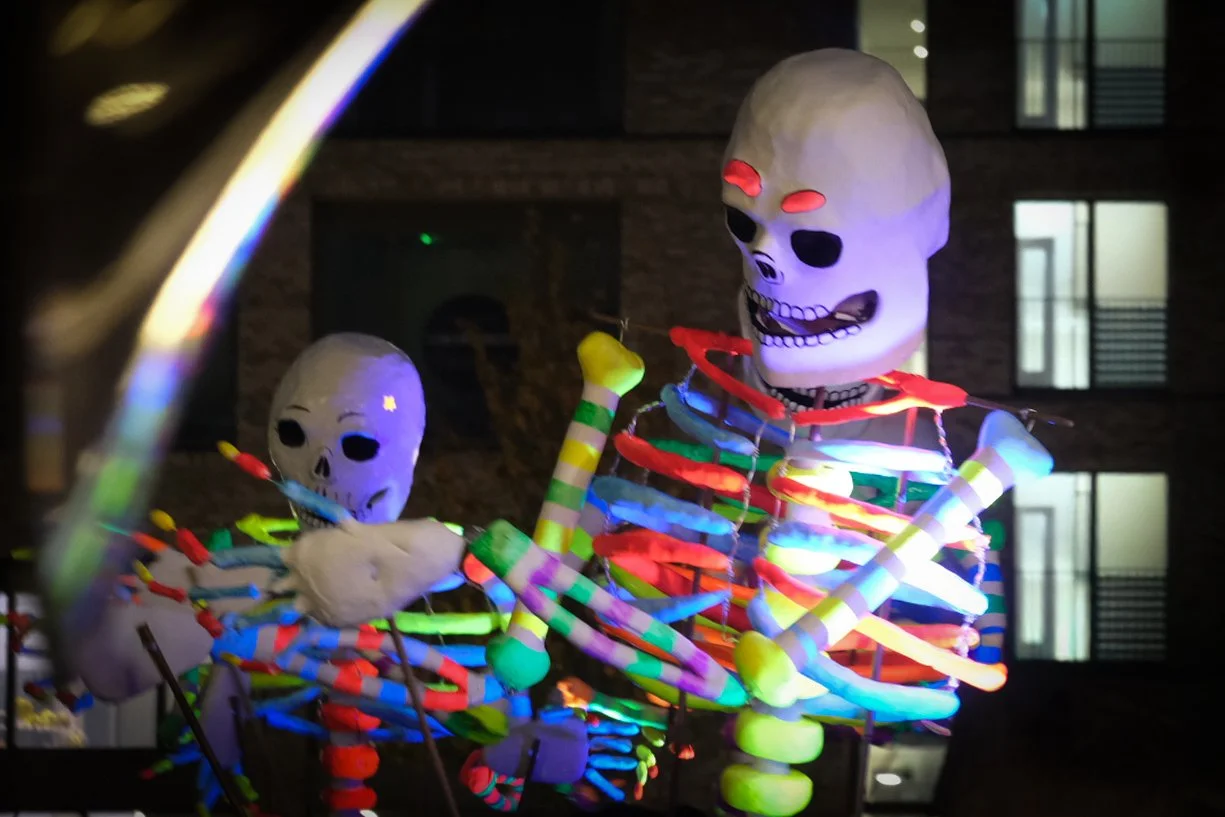
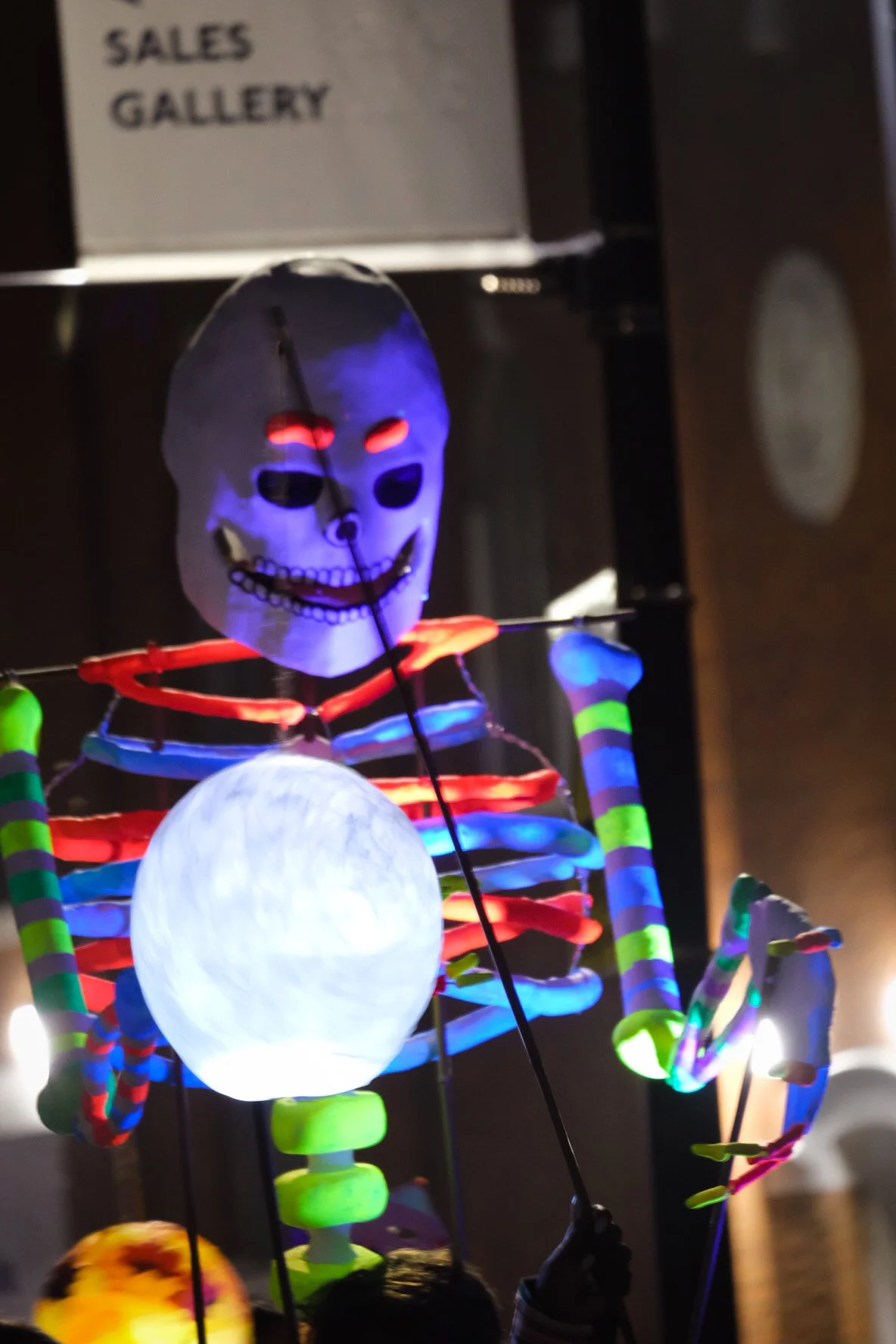
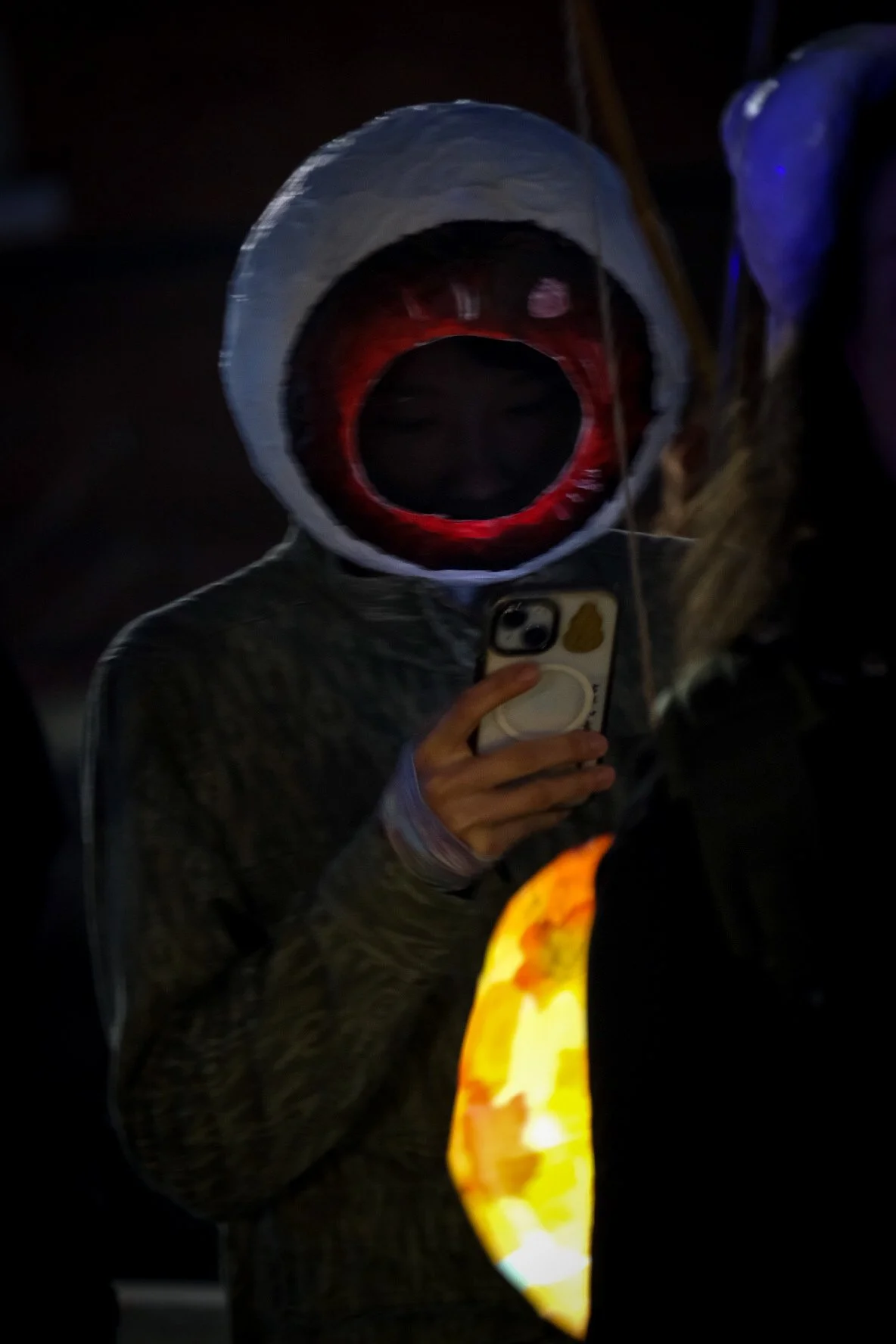
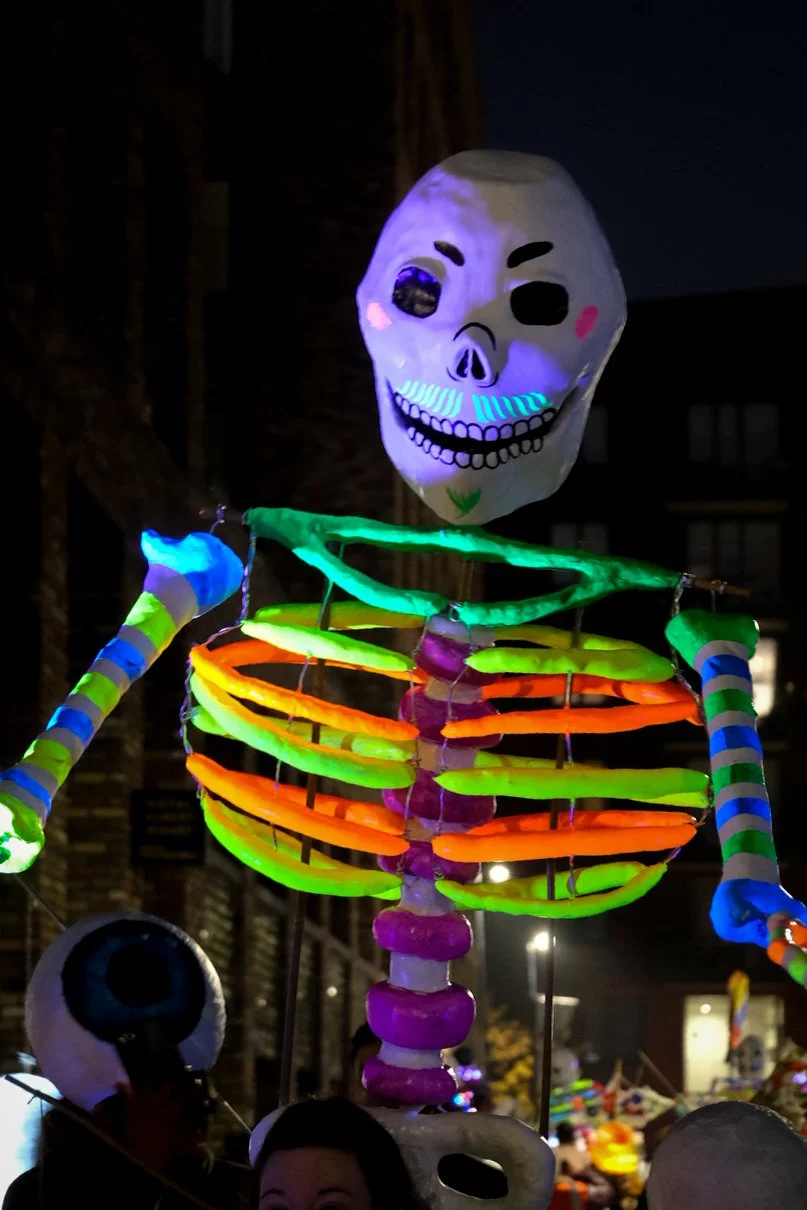
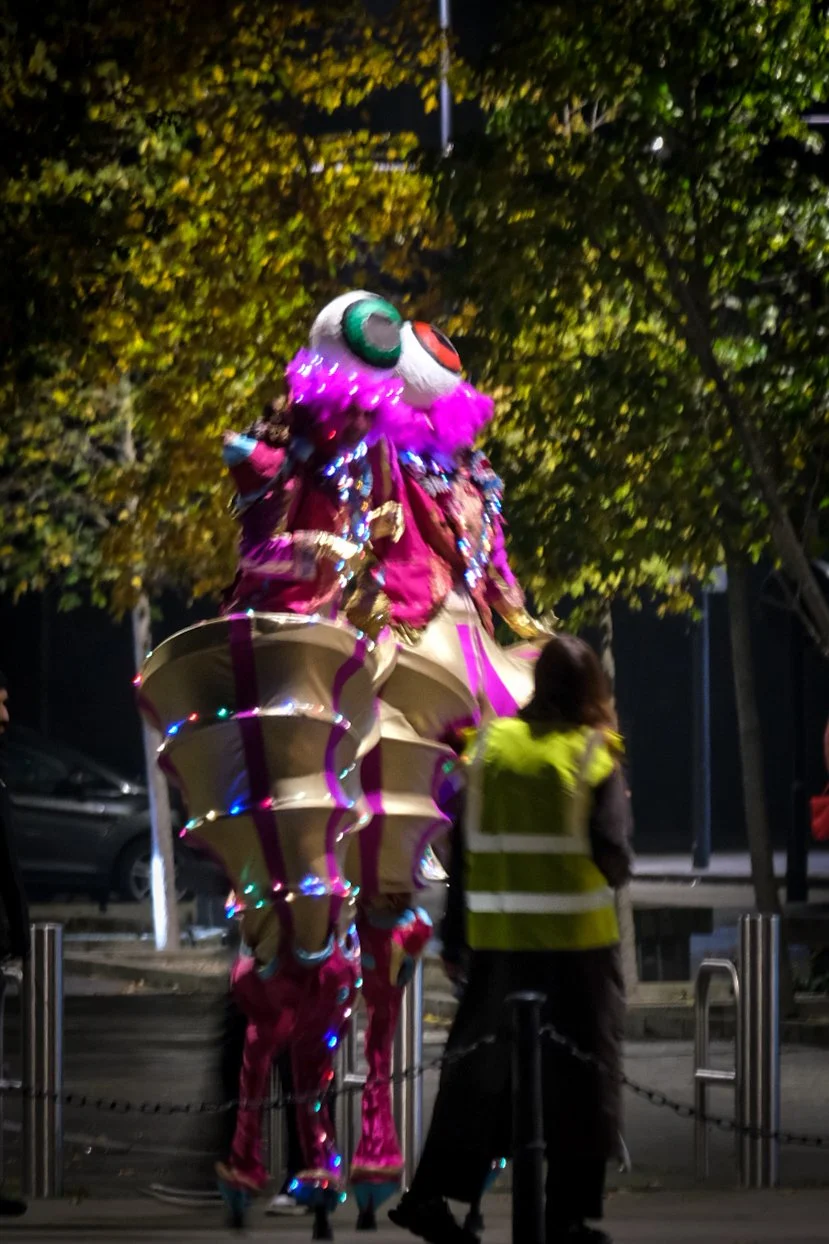
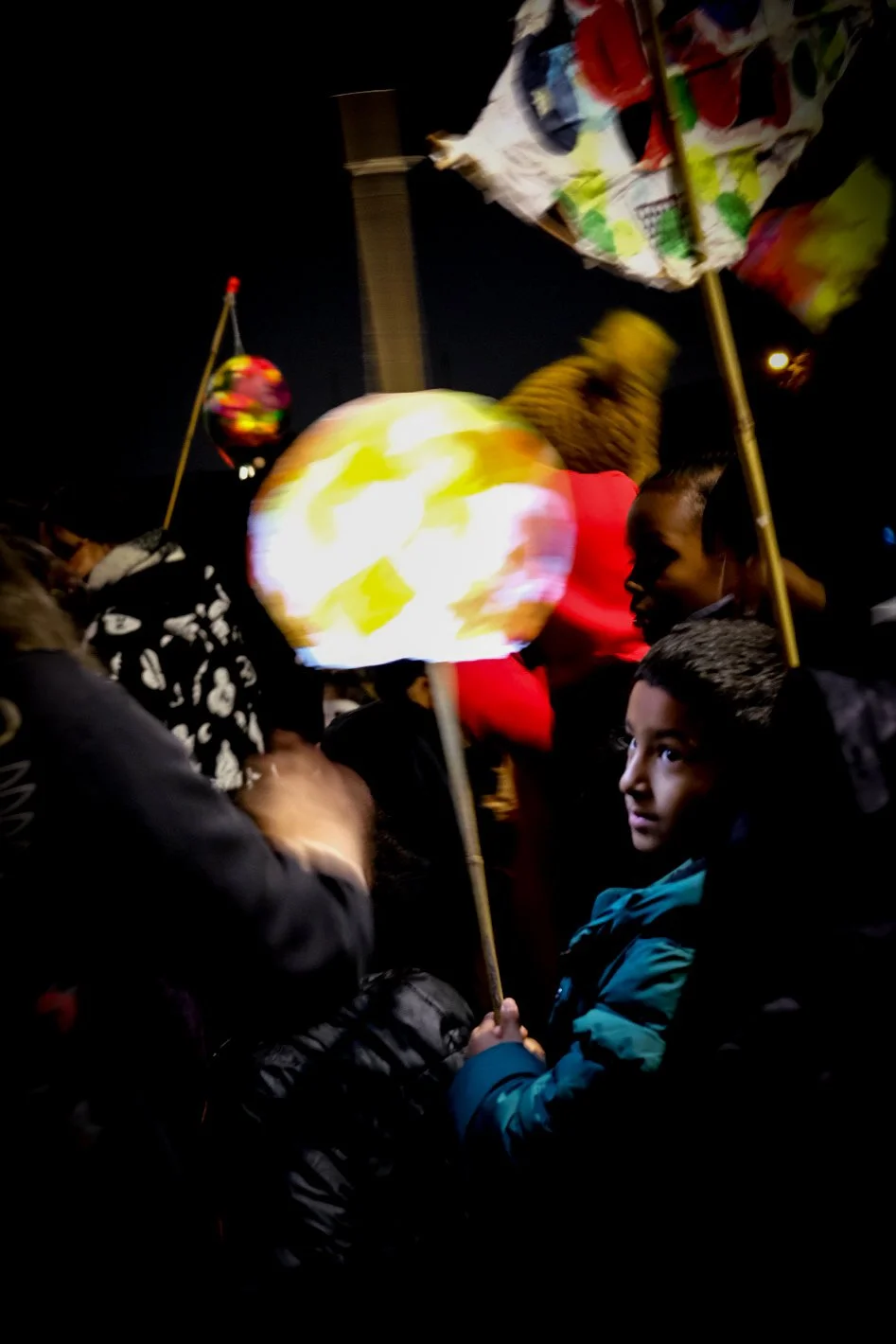
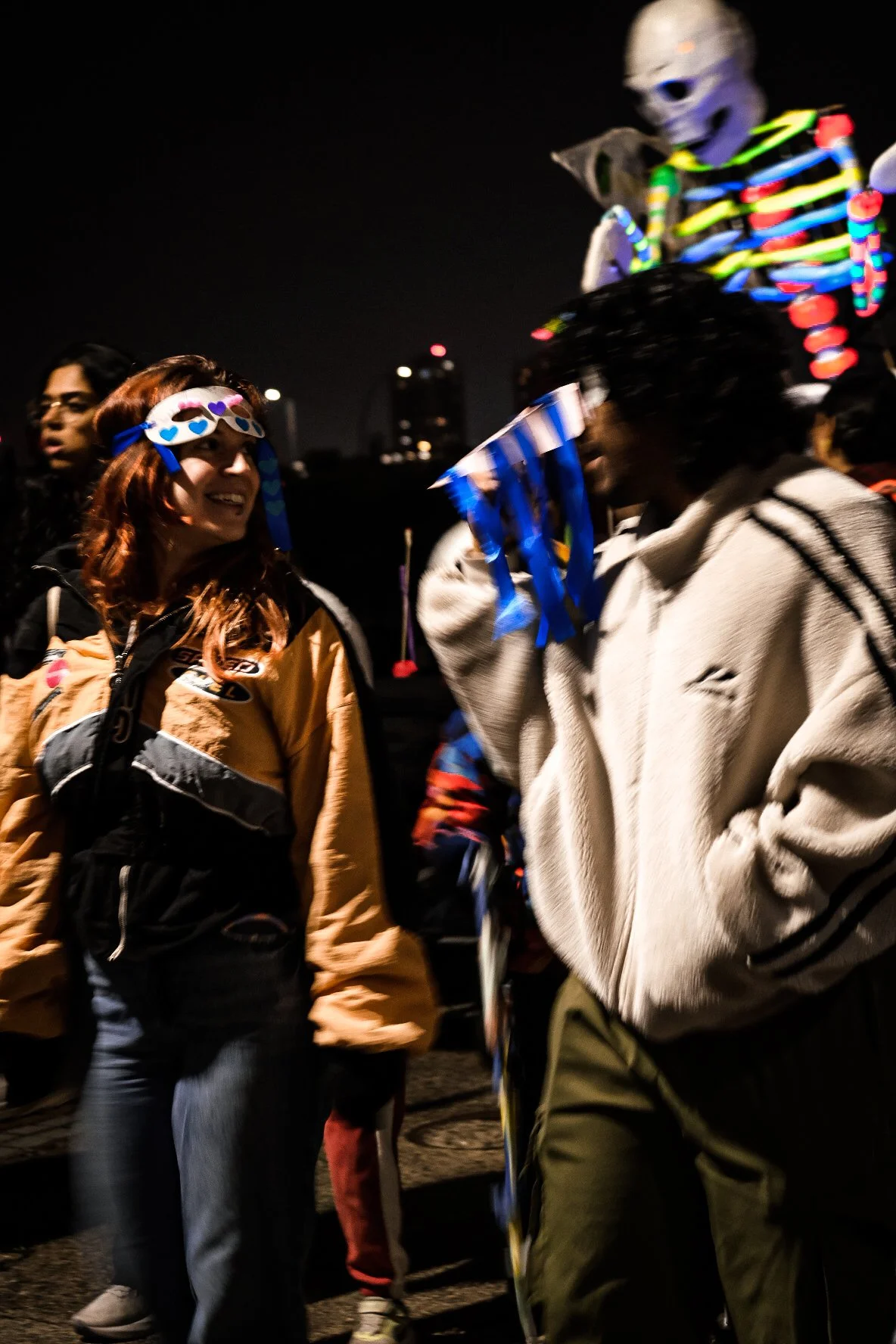
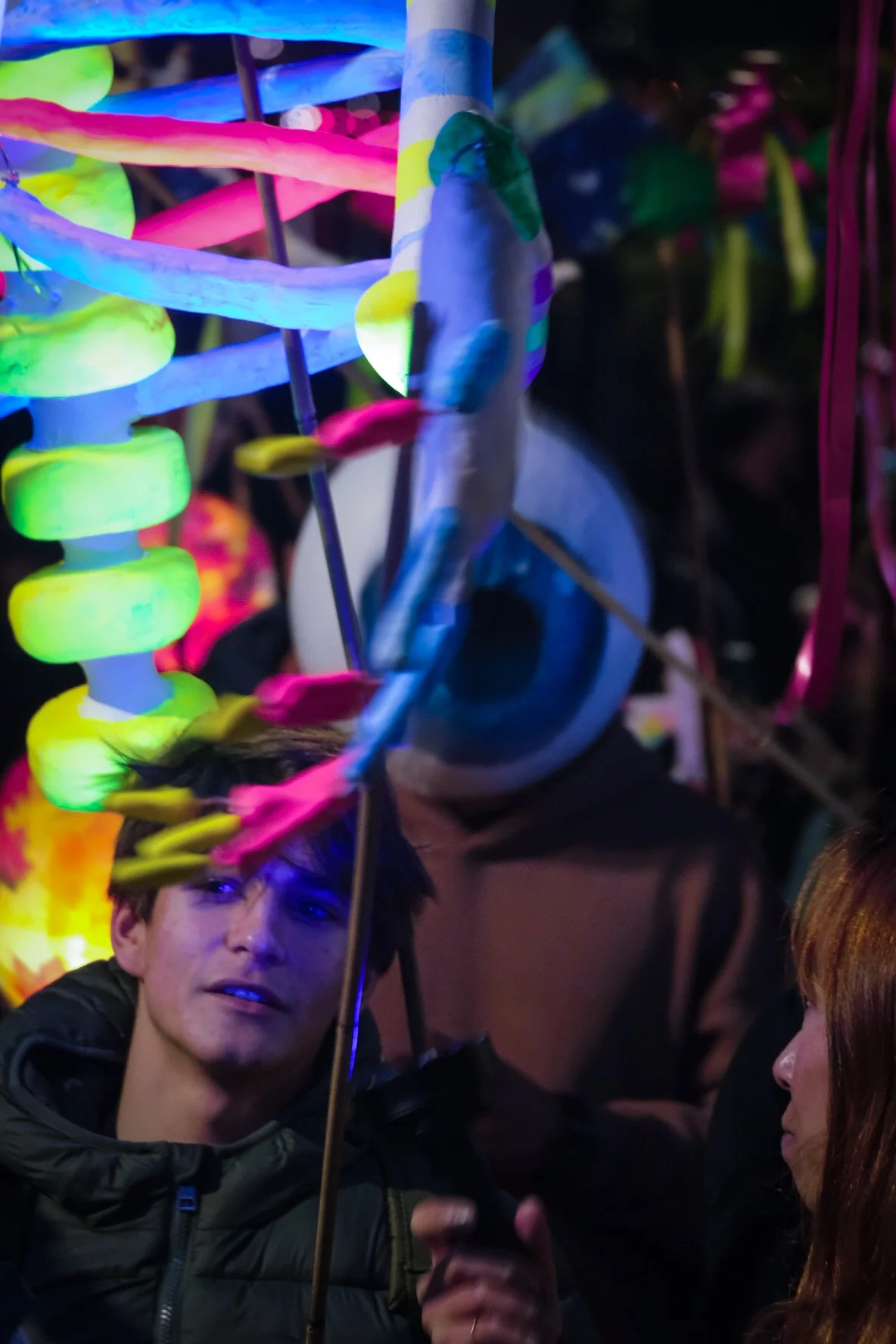
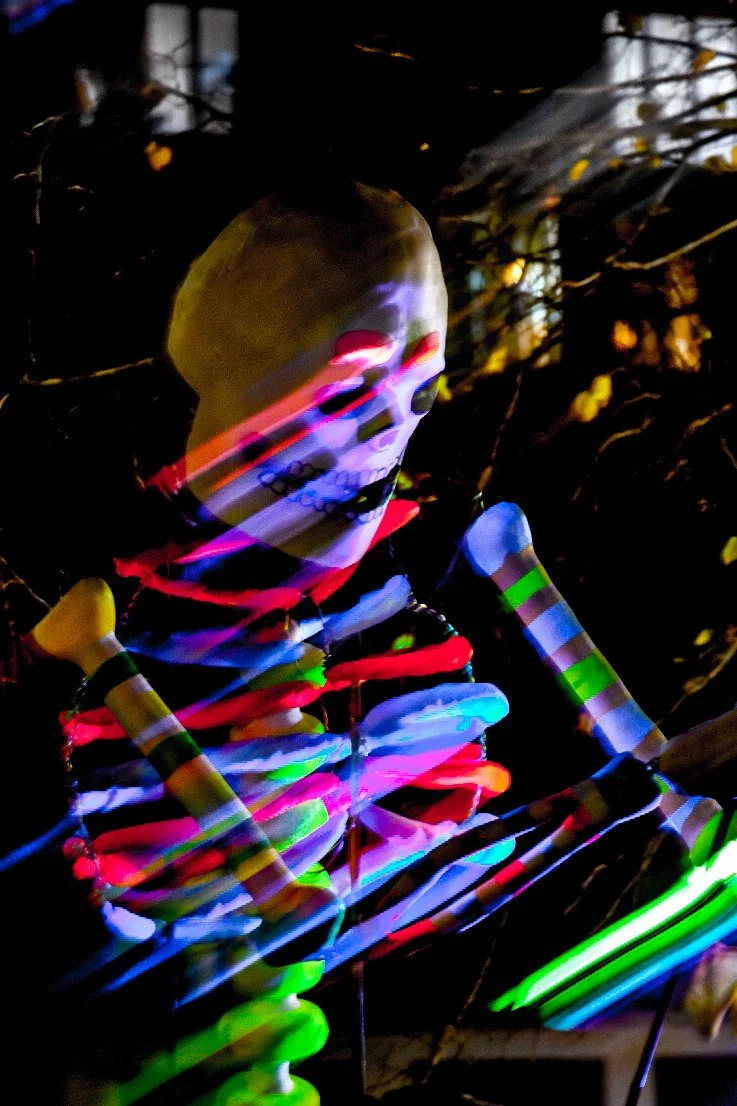
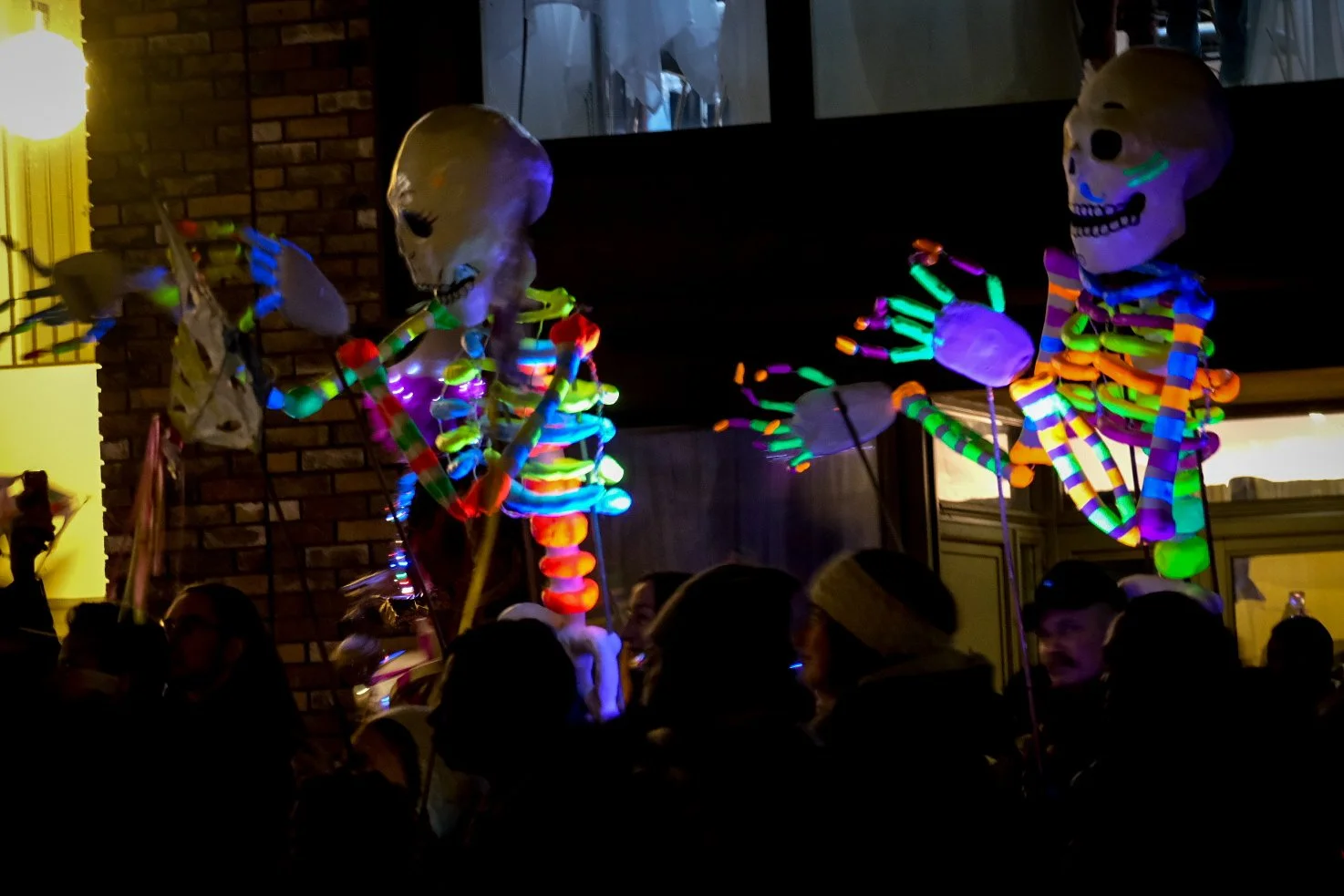
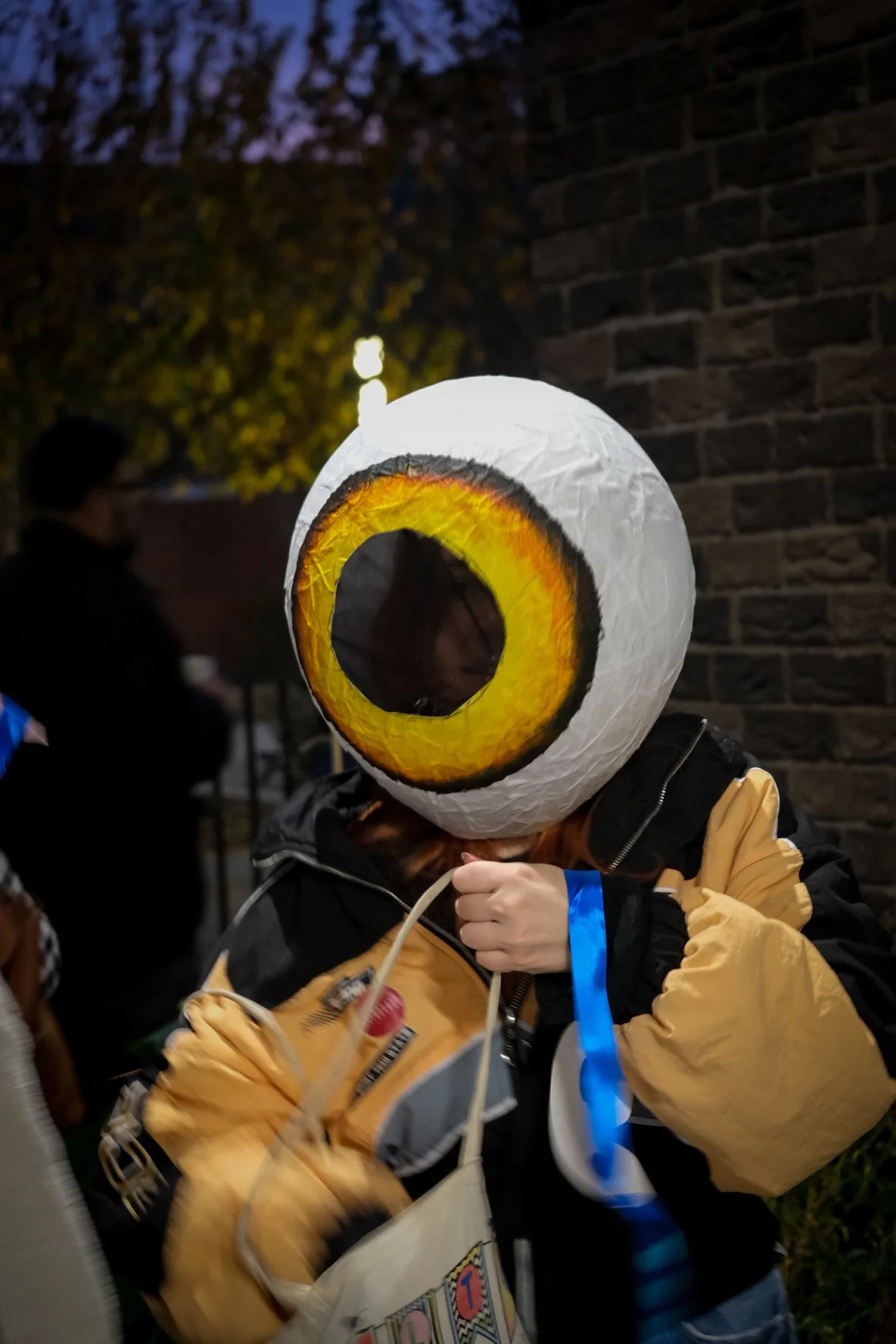
Through a series of creative workshops, people of different ages and backgrounds came together to experiment with materials, learn new skills and contribute to something larger than themselves. Giant skeletons, an all-seeing eye, masks, headpieces and illuminated lanterns took shape through these sessions, with many of the creations eventually becoming part of the parade.
For children and families who regularly attend Art in the Docks' Saturday Kids Club and other community programmes, the carnival offered an opportunity to take their creativity beyond the workshop and into the public space. It was also an opportunity to introduce new creative experiences to the wider community, showing how accessible arts participation can create opportunities for expression, confidence and connection.
Bringing dance into the school experience
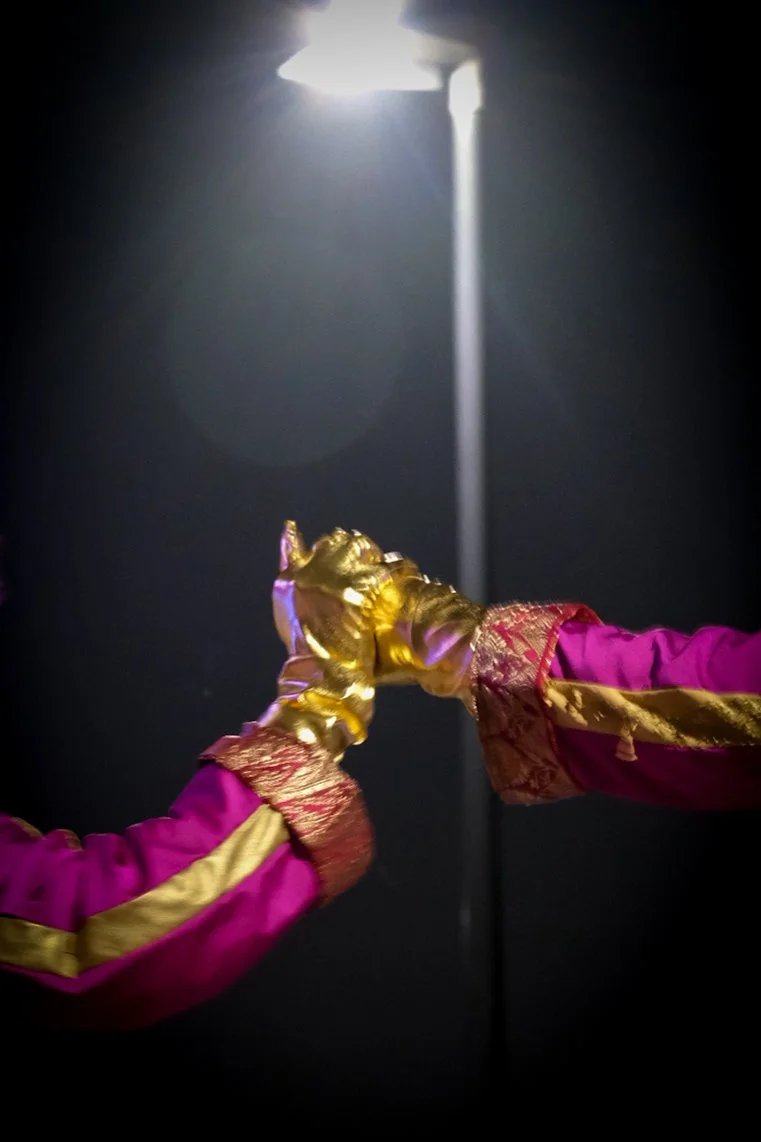
One of the particularly meaningful aspects of this year's carnival was the partnership with Gallions Primary School and East London Dance. Through a new dance education programme, more than 150 children at Gallions Primary School were introduced to a new art form, learning choreographed dance routines that they later performed as part of the procession.
The programme was made possible through the collaboration of East London Dance, whose team provided the dance training and supported the performances, alongside teachers and school staff who helped integrate the sessions into the school programme.
For the children, this was an opportunity to experience dance in a new way, develop their confidence and become active contributors to a cultural event taking place in their own neighbourhood. It is an example of how partnerships between cultural organisations and schools can bring creative opportunities directly into children's everyday experiences.
When businesses become part of the creative process
The carnival also demonstrated what can happen when corporate volunteering moves beyond traditional team-building activities and becomes part of a community's creative life. Through Art in the Docks' relationship with the East London Business Alliance (ELBA), employees from organisations including Chaucer Insurance, SMBC and CBRE joined the creative process, working alongside artists to make some of the parade's larger props and installations.
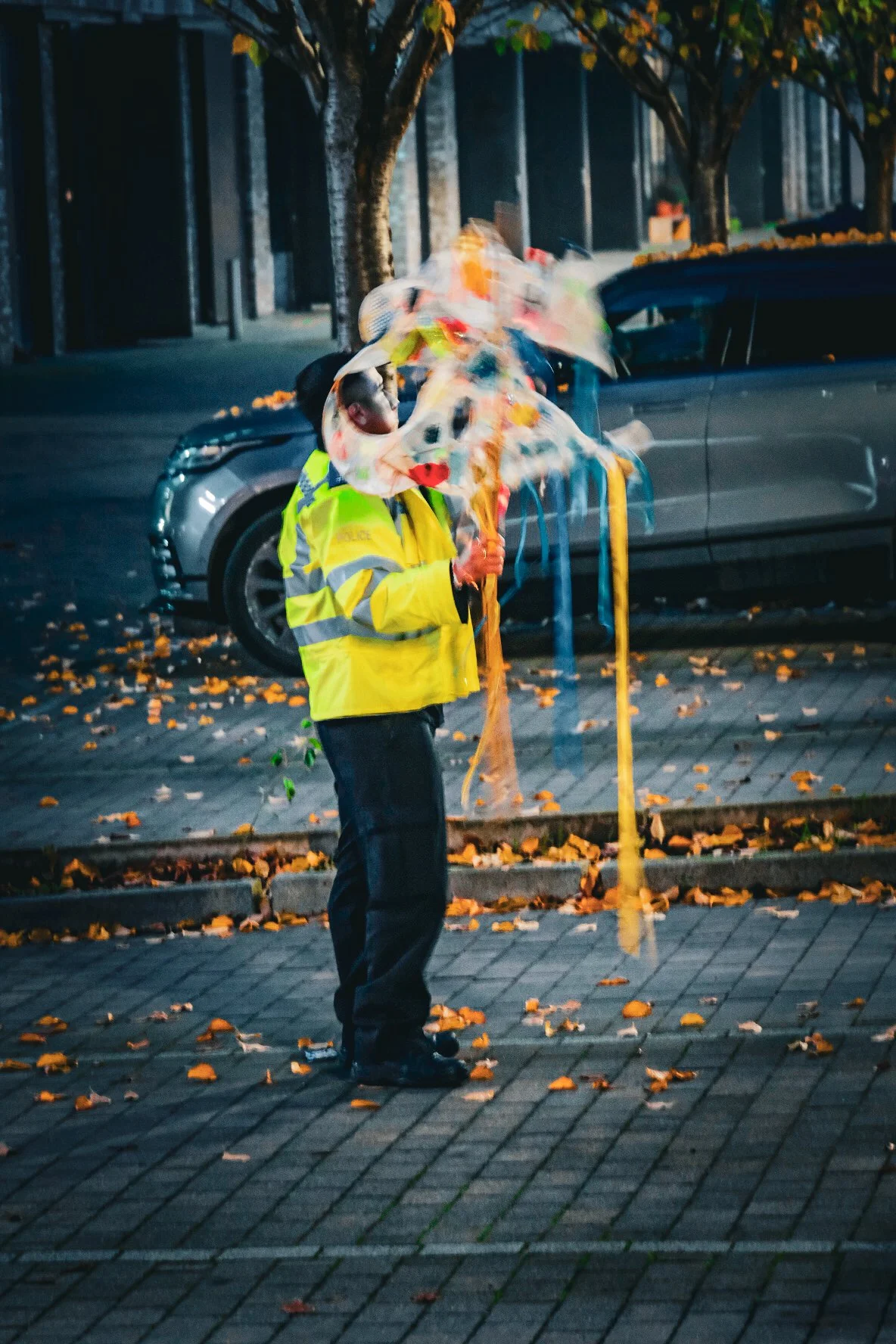
These contributions were particularly valuable. The time, skills and practical support offered by corporate volunteers helped make the production of ambitious creative pieces possible, reducing costs that would otherwise have presented a significant barrier. The involvement extended beyond the corporate workshops. Members of the local Police Community Support Officer (PCSO) team also joined the pre-parade making sessions and took part on the day, supporting the procession as stewards.
Meanwhile, regular Art in the Docks programme attendees helped serve refreshments, welcome visitors and clear up after the event. From the people making the props to those supporting the procession and looking after visitors, the carnival was a collective effort.
A partnership that makes things possible
Events of this scale depend on more than creativity alone. They require relationships, resources and organisations willing to invest in a shared vision.
The Carnival of Curiosities was funded by Art in the Docks, with additional financial support from Bow Arts, the Skinners' Company and Royal Docks Trust. Notting Hill Genesis also contributed in-kind support, while volunteers and private donors helped make up the balance.
The Royal Albert Wharf placemaking fund, supported by Notting Hill Genesis and Bow Arts, played an important role in enabling the project to take shape.
The involvement of ELBA and its corporate partners further demonstrated the value of connecting businesses with meaningful opportunities to contribute to their local communities.
Across the workshops, school programme, corporate volunteering days and parade, the project generated more than 1,000 engagements over several months.
These engagements reflect the breadth of participation behind the carnival: the people who attended workshops, learned new skills, made the parade elements, rehearsed performances, volunteered their time and ultimately came together to celebrate.
More than one evening
For Art in the Docks, the Carnival of Curiosities is part of a much longer commitment to the people and places of the Royal Docks. From its base at Royal Albert Wharf, the organisation runs regular creative sessions for children and adults, works with local schools and collaborates with artists, businesses, cultural organisations and community partners.
This year-round presence matters. It allows relationships to develop over time, creates opportunities for people to participate in cultural activity and helps ensure that local residents are not simply audiences for what happens in their neighbourhood, but contributors to it.
The carnival offered a visible expression of that approach. It brought together people who might not ordinarily share a creative space and gave them a common purpose: to make something together and share it with their community.
As Art in the Docks continues to develop its work across the Royal Docks, this is the kind of cultural activity it wants to champion: rooted in place, shaped through collaboration and built around meaningful participation. Because sometimes, the most important part of a parade is not what passes through the streets. It is the people, relationships and shared experiences that make it possible.
Making things together. Shaping the place we call home.
Photographed by: David Swainsbury